

Fertility Excellence for 25 Years
High-success Blastocyst Transfer in Delhi-NCR
With 25+ years of clinical experience and 15000+ IVF cycles, Dr. Mona Dahiya is trusted for her expertise in embryo transfer during the IVF treatment.
What is Blastocyst Transfer?
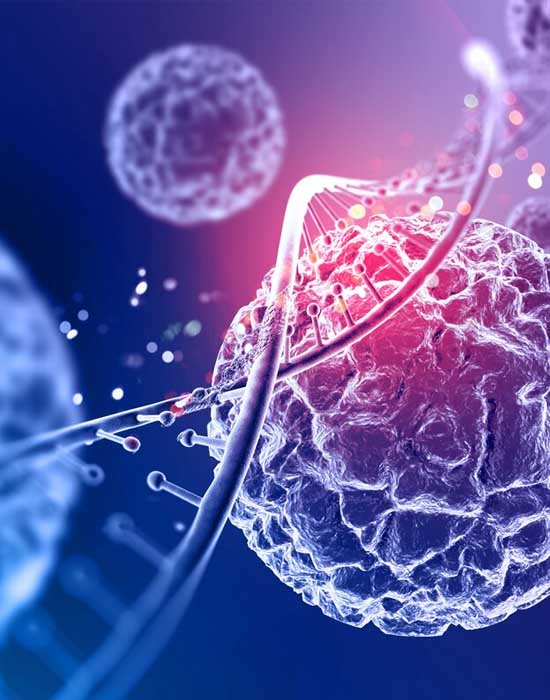
Blastocyst Transfer is an IVF treatment in which a Day-5 embryo, called a blastocyst, is transferred into the uterus. By this stage, the embryo differentiates into an inner cell mass & an outer trophectoderm layer that later forms the fetus & placenta. Generally, blastocyst stage is considered a sign of sustained cell division and developmental competence.
Since the stage is closest to the natural implantation timing, it provides a clear assessment of how viable the embryo will be during the IVF treatment planning cycle.
25+ years of experience
25,000+ patients treated
Rated 5.0 by patients
90% success rate
100+ publications
50+ awards
100% privacy assured
Day-3 vs Day-5 embryo transfer
| Medical situation | Day 3 transfer | Day 5 transfer |
| Number of embryos | When only a few embryos are present in the body | Multiple embryos are present in the body |
| Total ovarian reserve | Low reserve is there | Very high ovarian reserve |
| IVF history | Earlier, there was poor embryo growth | The last implantation failed |
| Lab choice | Quick transfer availability | Natural selection support |
| Goal of transfer | Not to lose embryos in the culture stage | Pick embryos with a high implantation possibility |
| Treatment plan | Supportive early transfer | Select transfer time |
Why do doctors advise waiting until Day 5?
Who will need Blastocyst Transfer?
- High good-quality embryos: In situations where more than one embryo is present, careful selection can help transfer the most suitable one out of the many present.
- Younger age patients : Patients who are under 35 years of age generally produce embryos that remain viable during the extended lab culture process.
- PGT or genetic testing cycles : Patients who are advised to undergo genetic screening may need the transfer stage for accurate embryo selection.
- Good ovarian response : A selective transfer approach can be planned when adequate eggs & embryos are obtained in the cycle.
- Testicular Biopsy: In cases of azoospermia, a small sample of testicular tissue may be extracted for examination.
Blastocyst Transfer process in the IVF treatment cycle
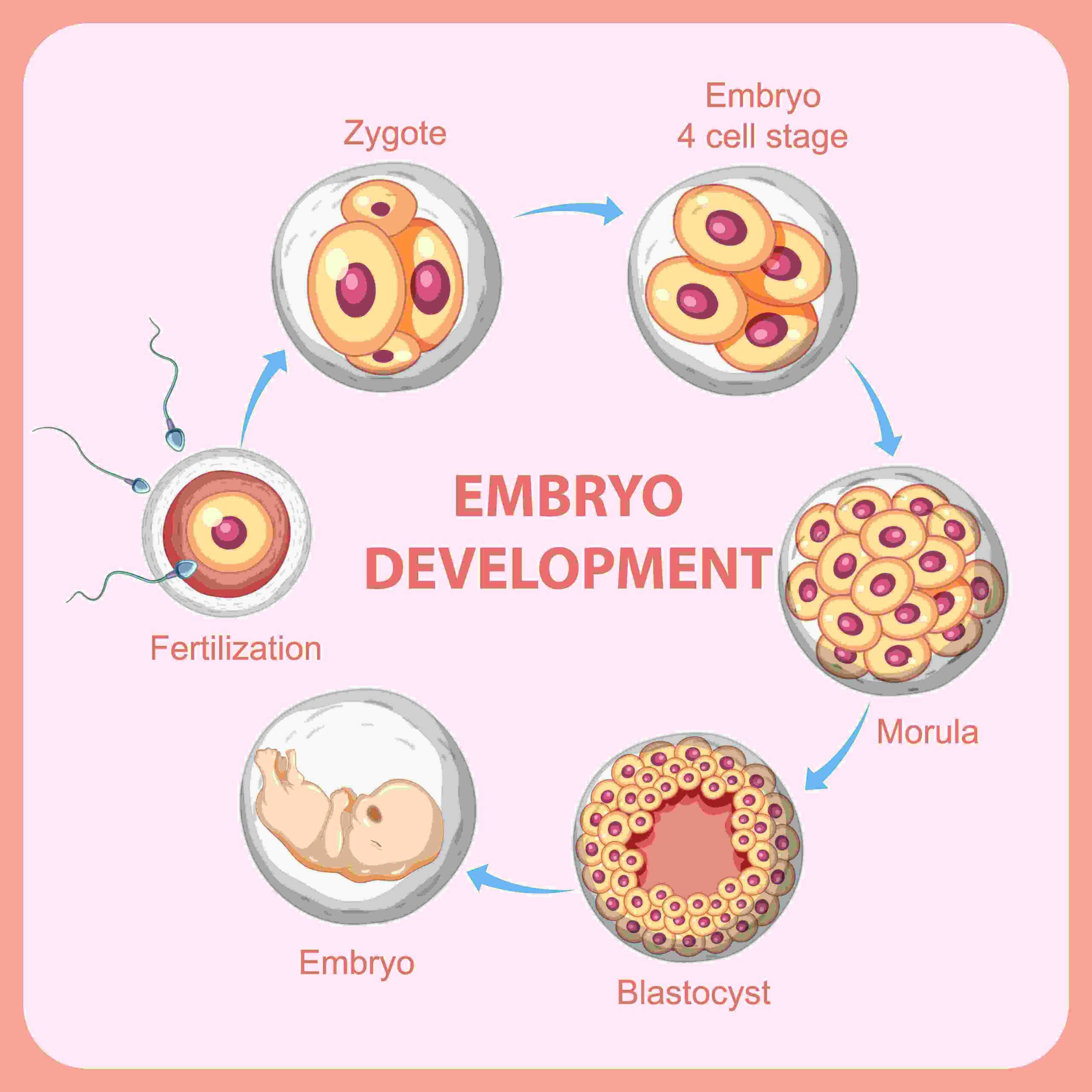
During the IVF treatment journey, eggs are retrieved & fertilised in the embryology lab, where the embryos’ development is observed. Based on the embryos growth & uterine preparations, Dr. Mona plans for embryo transfer. The goal through it all is to align the embryo’s viability with endometrial receptivity so that the implantation happens under the right biological conditions.
Treatment timeline
| Phase | Day | What happens |
|---|---|---|
| Egg retrieval | Day 0 | Eggs are collected from the ovaries |
| Fertilisation | Day 1 | Embryos get formed in the lab |
| Cleavage stage | Day 2 to 3 | Cell division happen |
| Blastocyst stage | Day 5 | Embryos get fully developed |
| Embryo transfer | Day 5 | The embryo is placed inside the uterus |
| Implantation | Day 6 to 10 | The embryo is attached to the uterine lining |
Implantation chances & embryo transfer planning
The primary goal of Blastocyst transfer is to improve the embryo implantation chances. To ensure that there is minimal failure, Dr. Mona reviews embryo grading, growth pattern, age, and uterine lining. Based on the review, she then decides the transfer timing and the number of embryos that will be placed in the uterus.
This approach increases the chance of pregnancy while eliminating the risk of twin pregnancy. What is great about Dr. Mona is that she does not treat it as one treatment option for all – every transfer plan is individualised so that the implantation potential and safety remain balanced for that IVF cycle.
What to expect after the transfer?
- Mild symptoms – Light cramps or slight spotting may occur.
- Rest advice – The process does not need strict bed rest; you can perform your general daily activities comfortably.
- Activity guidance – Heavy exercises or travel must be avoided for some days after the transfer.
- Pregnancy test – A blood pregnancy test gets scheduled after 12-14 days of the transfer.
Why Choose Us?
BEST IVF DOCTOR IN NOIDA

Treatment Options
Dr Mona Dahiya offers a diverse range of advanced infertility treatments tailored to individual needs. From IVF and IUI to fertility preservation, a comprehensive spectrum of options ensures personalized care for every patient.

Reviews of Patients
Patient testimonials from Our Satisfied Patients is a testimony of our assurance and confidence that reflects Dr Mona Dahiya’s excellence and compassionate approach. Our Satisfied patients are a testimony of our assurance and confidence.

Understanding
We prioritize deep understanding and empathy toward each patient’s emotional journey. We provide a supportive environment where concerns are heard and anxieties are eased for emotional Well-being.

Success Stories
We are proud of our success stories of Couples who have undergone infertility treatment. Our stories not only inspire hope but also exemplify our proficiency in turning dreams of parenthood into reality.
Tailor-Made Plans
Recognizing that every patient is unique, Dr. Mona Dahiya crafts personalized treatment plans. We consider medical history and individual circumstances to Guide Tailor Made Infertility Treatment Options.
Experience the Joy of Parenthood with the
Best IVF Center in Noida
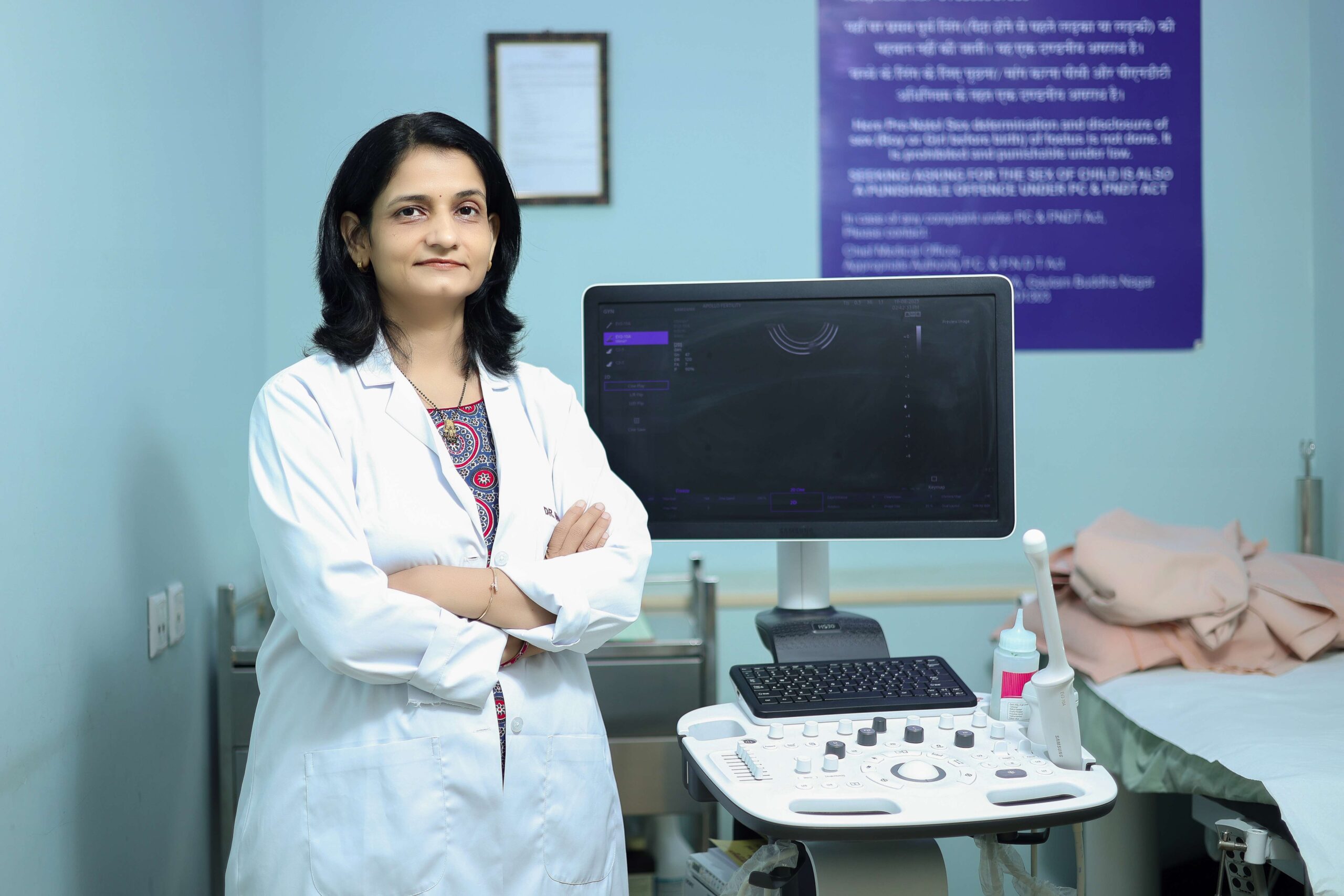
Meet Our Fertility Specialist
Dr. Mona Dhaiya
Book Your Appointment
Cost of Blastocyst Transfer
The Blastocyst Transfer cost depends heavily on whether or not the patient requires extended embryo culture & freezing in the IVF cycle. Typically, the expenses are discussed in advance so that the patients are clear on the financial plan before they continue treatment.
| Component | Cost |
| Blastocyst culture | Rs. 15,000 to 25,000 |
| Embryo transfer process | Rs. 20,000 to 35,000 |
| Embryo freezing (if needed) | Rs. 15,000 to 25,000 |
Want to discuss your personalised blastocyst transfer plan & cost? Call us now

Types of Male Infertility Treatment Available in Noida
1. Lifestyle Modifications
In some cases, making simple lifestyle changes can significantly improve male fertility. These changes include:- Diet and Exercise: Maintaining a healthy weight through a balanced diet and regular exercise can enhance fertility.
- Avoiding Harmful Substances: Quitting smoking, limiting alcohol consumption, and avoiding recreational drugs can have a positive impact on sperm quality.
- Stress Management: Reducing stress through relaxation techniques like yoga or meditation can improve fertility.
2. Medications
Several medications can address specific causes of male infertility:- Hormone Therapy: If hormonal imbalances are the culprit, hormone replacement therapy may help restore normal hormone levels.
- Antibiotics: In cases of infections affecting sperm quality, antibiotics can be prescribed to treat the infection.
- Antioxidants: Antioxidant supplements like vitamin C and vitamin E may help improve sperm quality by reducing oxidative stress.
3. Assisted Reproductive Technologies (ART)
When other treatments are ineffective, or in cases of severe male infertility, assisted reproductive technologies can be employed:- Intrauterine Insemination (IUI): Sperm are collected, processed, and directly inserted into the woman’s uterus during her fertile window to increase the chances of fertilization.
- Intracytoplasmic Sperm Injection (ICSI): This involves the direct injection of a single sperm into an egg, which is then implanted into the woman’s uterus.
- In Vitro Fertilization (IVF): IVF is a widely used fertility treatment where eggs and sperm are combined outside the body, and resulting embryos are implanted into the woman’s uterus.
4. Surgical Interventions
Some male infertility issues may require surgical procedures:- Varicocelectomy: Surgery to remove a varicocele can improve sperm production and quality.
- Sperm Retrieval: In cases of obstructive azoospermia (absence of sperm in ejaculate due to a blockage), sperm can be directly retrieved from the testes or epididymis for use in ART procedures.
5. Donor Sperm
In situations where a man’s sperm quality or quantity cannot be improved, couples may consider using donor sperm for conception.Diagnostic Tests for Male Infertility Treatment in Noida
Before determining the appropriate treatment, healthcare providers will perform various diagnostic tests to identify the cause of male infertility. These tests include:
- Semen Analysis: A comprehensive examination of the semen to assess sperm count, motility, morphology, and other factors.
- Hormone Tests: Blood tests to measure hormone levels, including testosterone, follicle-stimulating hormone (FSH), and luteinizing hormone (LH).
- Genetic Testing: Genetic testing may be recommended to identify any chromosomal abnormalities or genetic mutations affecting fertility.
- Ultrasound: Scrotal ultrasound can detect issues like varicoceles or blockages in the reproductive tract.
- Testicular Biopsy: In cases of azoospermia, a small sample of testicular tissue may be extracted for examination.
What to Expect from Male Infertility Testing?
Before embarking on treatment, it’s essential to undergo male infertility testing to identify the root cause. In Noida, the testing process typically involves:
- Semen Analysis: A thorough examination of your semen to assess sperm count, motility, morphology, and other factors.
- Hormone Tests: Blood tests to measure hormone levels, including testosterone, follicle-stimulating hormone (FSH), and luteinizing hormone (LH).
- Genetic Testing: If needed, genetic testing may be recommended to identify any chromosomal abnormalities or genetic mutations affecting fertility.
- Ultrasound: Scrotal ultrasound can detect issues like varicoceles or blockages in the reproductive tract.
- Testicular Biopsy: In cases of azoospermia, a small sample of testicular tissue may be extracted for examination.
Cost of Male Infertility Treatment in Noida
The cost of male infertility tests in Noida can vary depending on the type and complexity of the tests conducted, as well as the healthcare facility or clinic where the tests are performed. Generally, a basic semen analysis may cost between INR 500 to INR 2,000, while more comprehensive tests or procedures like genetic testing or ultrasound can cost anywhere from INR 2,000 to INR 10,000 or more. It’s advisable to check with specific healthcare providers for accurate pricing.
Success Rate of Male Infertility Treatment in Noida
The success rate of male infertility tests in Noida largely depends on the accuracy of the diagnosis and the subsequent choice of treatment. When tests accurately identify the underlying cause of infertility, healthcare providers can recommend targeted treatments, which can significantly improve the chances of success. It’s crucial to consult with experienced fertility specialists who can provide accurate diagnoses and personalized treatment plans to maximize the likelihood of success.
Benefits of Male Infertility Treatment Tests
Undergoing male infertility tests in Noida offers several benefits:
- Accurate Diagnosis: Testing helps identify the specific cause of infertility, allowing for tailored treatment plans.
- Optimized Treatment: With a clear diagnosis, healthcare providers can recommend the most appropriate and effective treatments, increasing the chances of success.
- Peace of Mind: Testing provides couples with a clearer understanding of the fertility issue, reducing uncertainty and stress.
- Informed Decision-Making: Armed with test results, couples can make informed decisions about their family planning journey, considering various treatment options.
Why Choose Dr. Mona Dahiya for Male Infertility Treatment in Noida?
Dr. Mona Dahiya is a renowned fertility specialist in Noida with extensive experience in diagnosing and treating male infertility. Here are some compelling reasons to consider her services:
- Expertise: Dr. Dahiya possesses the expertise and knowledge needed to accurately diagnose male infertility issues.
- Personalized Care: She provides personalized care, tailoring treatment plans to each individual’s unique needs and circumstances.
- Cutting-Edge Technology: Dr. Dahiya’s clinic is equipped with state-of-the-art technology for comprehensive testing and treatment.
- Compassionate Approach: She understands the emotional challenges associated with infertility and offers compassionate support throughout the journey.
- Proven Track Record: Dr. Dahiya has a track record of helping couples achieve their dream of parenthood through effective treatments.

Why choose Dr. Mona for Blastocyst Transfer?
Embryo transfer is often the one point where patients feel most anxious, as a single recommendation can determine whether or not the embryo can be used in an IVF cycle. Dr. Mona is known for her clear, direct counselling at this high-stress stage where she explains what the embryo report means, how it will impact the pregnancy chances, and if proceeding with the treatment will even be a good choice at the moment.
The patients are not just given a transfer date. The reasoning behind every decision is explained to them, along with the realistic expectations that they should have with the cycle. In situations where conditions are not favorable, Dr. Mona’s team advises waiting instead of risking an avoidable failure. The goal through it all is to help you feel sure about the process and prevent you from unnecessary repeat transfers.
HAPPY PARENTS
Patients Testimonials Who Have Undergone Fertility Treatment