

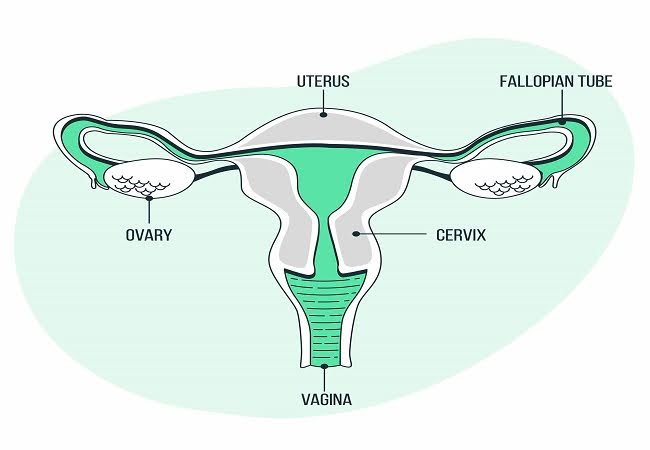
The ovary is an essential reproductive organ in females. It is a pair of small, oval-shaped organs located on each side of the uterus. The ovary is responsible for producing and releasing eggs, which are necessary for reproduction. It also produces female hormones, including estrogen and progesterone.
What is the Normal Ovary Size?
The size of the ovary varies from woman to woman and can also vary throughout her life. Generally, the size of the ovary is around 3-5 cm long, 2-3 cm wide, and 1-2 cm thick. As mentioned, the size of ovaries can vary during different stages of life. For example during pregnancy, the size of the ovary may increase due to hormonal changes.
- Length: 30-50 mm (3-5 cm)
- Width: 20-30 mm (2-3 cm)
- Thickness: 10-20 mm (1-2 cm)
It is important to note that these measurements represent a general range, and individual variations may occur. The size of the ovaries can change during a woman’s menstrual cycle, as the development of follicles can lead to a temporary increase in ovary.
Normal Ovary Size in cc:
The normal ovary is typically measured in millimetres (mm) or centimetres (cm), but it can also be expressed in cubic centimetres (cc) to represent volume. On average, to calculate the approximate volume (in cc), you can use the formula for the volume of an ellipsoid: (4/3)π × (length/2) × (width/2) × (depth/2). The average ovary size ranges between 4 cc to 8 cc.
Where Are The Ovaries Located?
You have two ovaries, positioned on either side of your uterus in the lower abdomen. They are held securely in place by a network of muscles and ligaments. While the ovarian ligament physically links them to the uterus, they don’t actually touch each other.
What Do They Look Like?
Ovaries are firm and oval-shaped, often resembling the size and shape of an almond. Their color typically ranges from light gray to white, and they have a slightly textured or uneven surface.
What are they made of?
The ovary is organized into three specific layers, each with a different job. The outer layer acts as a thin, protective capsule. The middle layer is the most active part, made of connective tissue and filled with the follicles that hold your eggs. Finally, the innermost layer is the supply center, containing the blood and lymphatic vessels that keep the ovary healthy.
Ovary Size and Pregnancy:
The size of the ovary generally does not affect pregnancy. However, the health of the ovary and its ability to produce healthy eggs are essential for a successful pregnancy.
During ovulation, a mature egg is released from the ovary and flows through the fallopian tube, where it can be fertilized by sperm. The number and quality of eggs produced by the ovary can affect a woman’s ability to conceive.
Women with smaller ovaries may have a lower egg reserve, which can make it more challenging to conceive. On the other hand, women with larger ovaries may have a higher risk of developing ovarian cysts, which can also affect fertility.
In addition to ovary size, other factors such as age, hormone levels, and underlying medical conditions can affect a woman’s fertility and ability to conceive. If you are concerned about your fertility or ability to conceive, it is essential to speak with your doctor or a fertility specialist.
Right Ovary Normal Size:
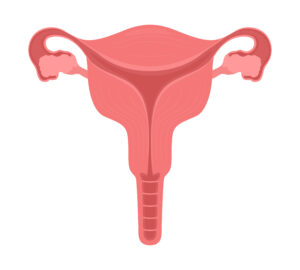
The right ovary is typically located in the right lower quadrant of the pelvis, near the opening of the fallopian tube.
Right Ovary Normal Size in mm & Right Ovary Normal Size in cm:
- Length: 30-50 mm (3-5 cm)
- Width: 20-30 mm (2-3 cm)
- Thickness: 10-20 mm (1-2 cm)
Left Ovary Normal Size:
The left ovary is located in the left lower quadrant of the pelvis, close to the opening of the fallopian tube. The normal size of the left ovary is similar to that of the right ovary.
The Left Ovary Normal Size in mm & Left Ovary Normal Size in cm:
- Length: 30-50 mm (3-5 cm)
- Width: 20-30 mm (2-3 cm)
- Thickness: 10-20 mm (1-2 cm)
Right Ovary Normal Size and Left Ovary Normal Size Comparison:
| Ovary | Length | Width | Depth (Height/Thickness) |
| Right | 30-50 mm (3-5 cm) | 20-30 mm (2-3 cm) | 10-20 mm (1-2 cm) |
| Left | 30-50 mm (3-5 cm) | 20-30 mm (2-3 cm) | 10-20 mm (1-2 cm) |
Factors Affecting Ovary Size:
There are several factors that can influence the size of a woman’s ovaries. These factors can be divided into physiological (natural) and pathological (disease-related) factors:
- Age: Ovary size can change as a woman ages. The ovaries are generally larger during the reproductive years, and they tend to decrease in size after menopause due to the decline in hormone production and cessation of follicle development.
- Menstrual Cycle: The size of the ovaries can fluctuate throughout the menstrual cycle. During the follicular phase, the development of follicles can cause a temporary increase in the ovary. After ovulation, the corpus luteum forms and may also contribute to variations in ovary size.
- Hormonal Levels: Hormones play a crucial role in the regulation of the ovary. Imbalances in hormones such as estrogen, progesterone, and gonadotropins (follicle-stimulating hormone and luteinizing hormone) can impact the growth and function of the ovaries, potentially leading to changes in size.
- Overall Health: A woman’s general health can also affect her ovary. Factors such as nutrition, exercise, and stress can influence hormone levels and reproductive function, which may, in turn, impact ovary size.
Pathological Factors:
- Polycystic Ovary Syndrome (PCOS): PCOS is a hormonal disorder that can cause the ovaries to enlarge due to the presence of multiple small cysts. This condition is often associated with hormonal imbalances, irregular periods, and insulin resistance.
- Ovarian Cysts: Ovarian cysts are fluid-filled sacs that can develop within or on the surface of the ovary. While most cysts are benign and resolve on their own, they can cause the ovary to enlarge and may lead to pain or other complications if they rupture or become twisted.
- Ovarian Tumors: Both benign and malignant ovarian tumours can cause an increase in the ovary. Benign tumours, such as dermoid cysts or fibromas, typically do not pose a significant risk, but malignant tumours (ovarian cancer) require prompt medical attention and treatment.
- Endometriosis: Endometriosis is a condition where endometrial tissue, which typically lines the uterus, grows outside of the uterus, often on the ovaries. This can lead to the formation of endometriomas (cysts) and cause the ovaries to enlarge.
If you suspect that any of these factors may be affecting your ovary, it is essential to consult with a fertility professional for a proper evaluation and diagnosis. Early intervention can help prevent complications and improve overall reproductive health.
How to diagnose ovarian issues
To diagnose ovarian conditions, doctors focus on these three essential methods:
- Transvaginal Ultrasound: The primary tool for physically seeing the ovaries, measuring their size, and counting active follicles.
- Hormonal Blood Tests: Crucial for checking your “ovarian reserve” (AMH levels) and identifying imbalances like PCOS through FSH and LH levels.
- Laparoscopy: A minor “keyhole” surgery used when a direct look is needed to confirm conditions like endometriosis or pelvic scarring.
Common Treatments for Ovarian Conditions
The approach to treating ovarian issues depends entirely on the underlying cause. Here are the primary methods used:
- Medication: Ibuprofen or acetaminophen are used for pain relief, while antibiotics treat bacterial infections.
- Hormone Therapy: Birth control pills or other hormonal supplements help regulate ovulation and manage symptoms of PCOS or endometriosis.
- Surgery: Procedures like laparoscopy (minimally invasive) are used to remove cysts, while an oophorectomy is the surgical removal of an ovary.
- Cancer Care: If a malignancy is found, chemotherapy or radiation are utilized to target and destroy cancer cells.
Normal Ovary Size by Age:
Ovary size can vary significantly throughout a woman’s life, and it is influenced by factors such as age, hormonal levels, and overall health. While there is no strict size classification for ovaries based on age, the following table provides a general overview of average ovary size by age group:
| Age Group | Length (mm) | Length (cm) | Width (mm) | Width (cm) | Depth (mm) | Depth (cm) |
| Pre-pubertal | 15-25 | 1.5-2.5 | 10-15 | 1-1.5 | 5-10 | 0.5-1 |
| Pubertal | 25-35 | 2.5-3.5 | 15-25 | 1.5-2.5 | 10-15 | 1-1.5 |
| Reproductive Years | 30-50 | 3-5 | 20-30 | 2-3 | 10-20 | 1-2 |
| Post-menopausal | 15-25 | 1.5-2.5 | 10-15 | 1-1.5 | 5-10 | 0.5-1 |
Please note that these measurements are approximate and represent a general range.
Ways to improve ovary and egg health?
The ovaries play a critical role in female reproduction by producing and releasing eggs. Maintaining the health of the ovaries and eggs is important for fertility and overall reproductive health. Here are some ways to improve ovary and egg health:
- Eat a balanced diet: A healthy diet rich in nutrients, including antioxidants, vitamins, and minerals, can help support the health of the ovaries and eggs. Foods like leafy greens, fruits, and whole grains are excellent sources of these nutrients.
- Manage stress: Chronic stress can negatively impact reproductive health. Engage in stress-reducing activities like meditation, yoga, or deep breathing exercises to support ovary and egg health.
- Exercise regularly: Regular exercise can help improve circulation and support healthy ovary and egg function. Aim for at least 30-45 minutes of moderate-intensity exercise per day.
- Avoid smoking and excessive alcohol consumption: Smoking and excessive alcohol consumption can damage ovarian tissue and reduce fertility. Quitting smoking and limiting alcohol consumption can improve ovary and egg health.
- Consider fertility supplements: Supplements like folic acid, omega-3 fatty acids, and CoQ10 have been shown to support ovary and egg health.
- Monitor reproductive health: Regular check-ups with a healthcare provider can help detect any potential issues with ovary and egg health early on.
Menopause and the ovary’s size?
Menopause is a common natural biological process that shows the end of a woman’s reproductive years. During menopause, the ovaries stop producing and releasing eggs. As a result, the ovaries may decrease in size.
The ovaries are typically about the size of an almond before menopause. As women age and approach menopause, the ovaries may become smaller and may have fewer follicles, which are structures that contain eggs. This is because the ovaries are no longer needed to produce and release eggs. This process is known as ovarian follicle depletion or follicular atresia.
The size of the ovaries varies from woman to woman, and some women may experience a more significant decrease in size than others. Factors like genetics and overall health can influence how the ovaries change during menopause.
It is important to note that a decrease in ovarian size during menopause is a natural and expected part of the ageing process. However, some women may experience symptoms related to menopause, such as hot flashes, night sweats, and mood changes. If these symptoms are severe, women may consider talking to their healthcare provider about treatment options.
The ovaries are the primary source of estrogen and progesterone, which are hormones that regulate the menstrual cycle and support pregnancy. As the number of follicles declines, the production of these hormones also decreases. This can lead to irregular periods, vaginal dryness, and other symptoms associated with menopause.
As the ovaries produce less estrogen, the tissue in the ovaries may shrink, resulting in a decrease in ovarian size. Studies have shown that the average ovarian size decreases from about 3.5 cm before menopause to about 2.3 cm after menopause.
While a decrease in ovarian size is a normal part of the ageing process, it can also be an indicator of certain medical conditions, such as ovarian cancer. Therefore, it is important for women to have regular gynaecological exams and report any unusual symptoms, such as abdominal pain, bloating, or a change in bowel habits, to their healthcare provider.
In conclusion, maintaining good ovarian and egg health is important for female reproductive health, and there are several ways to support ovary and egg health.
Conditions and Disorders
What Are the Symptoms of Ovary Problems?
Healthy ovaries play a vital role in hormone production, egg development, and regular ovulation. When ovarian function is disturbed, the body often gives early signals that should not be ignored. These symptoms may appear gradually and are sometimes mistaken for normal menstrual discomfort, which is why awareness becomes important.
Common signs that may indicate ovarian problems include:
- Persistent pelvic pain or a feeling of heaviness in the lower abdomen
- Frequent bloating that does not improve with diet or lifestyle changes
- Abdominal tenderness or pressure, especially during physical activity
- Changes in menstrual patterns such as delayed, irregular, or unusually heavy periods
- Spotting or unexpected vaginal bleeding between cycles
- Painful menstruation that worsens over time
- Unusual vaginal discharge accompanied by discomfort
- Difficulty in ovulation or absence of ovulation, which may impact fertility
In many cases, these symptoms are linked to conditions such as ovarian cysts, polycystic ovary syndrome (PCOS), hormonal imbalance, endometriosis, or reduced ovarian reserve. Since ovary health directly affects egg quality and reproductive hormones, untreated issues may reduce the chances of natural conception or delay in pregnancy planning.
Early consultation and proper diagnosis through ultrasound and hormonal evaluation can help manage these conditions effectively and improve reproductive outcomes.
What Does Ovary Pain Feel Like?
Ovary pain is often described differently by different women, depending on the underlying cause. It may appear as a sharp, sudden pain on one side of the lower abdomen or as a dull, continuous ache that lasts for several hours or days. Some women experience mild discomfort only during ovulation, while others notice recurring pain throughout the menstrual cycle.
In certain situations, ovary-related pain may feel like pressure, pulling, or internal heaviness. It can intensify during physical movement, sexual intercourse, or even while passing urine. Pain associated with ovarian cyst rupture or inflammation may become severe and require immediate medical attention.
Occasional mild discomfort during ovulation can be normal; however, persistent, worsening, or recurring pain should always be evaluated by a fertility specialist. Identifying the cause early helps prevent complications and ensures that ovarian health does not negatively affect pregnancy planning.