
The most trusted female infertility treatment clinic in Delhi-NCR

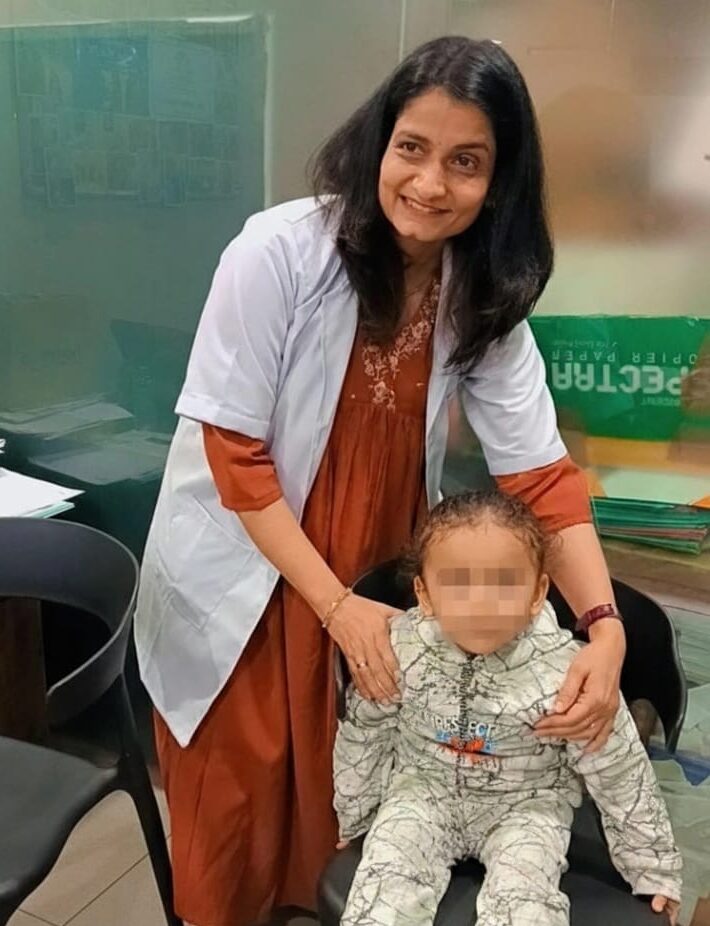
6,000+ women continue to place their trust in Dr. Mona Dahiya for correct, timely infertility diagnosis and personalised fertility treatment.

What does female infertility treatment entail?

90320912cb3a1e28cbf7beed99c2175161f4c074
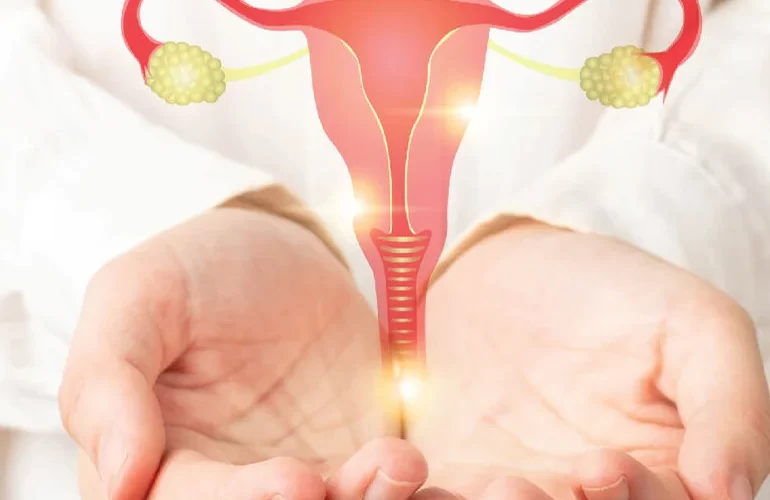
Female infertility is a situation where women are unable to conceive even after 12 months of trying (6 months in case you are over 35 years of age), or have incurred repeated pregnancy loss. There can be many reasons for this, like ovulation problems, hormone imbalance, blocked tubes, uterine issues, endometriosis, or low ovarian reserve. Dr. Mona pinpoints the exact issue through ultrasounds & tests, and prepares an effective female infertility treatment plan that improves your chances of successful pregnancy.

25+ Years Experience

25,000+ Patients Treated

Rated 5.0 by
Patients

50-70% cases managed without IVF

90%
Success Rate

100+
Publications

50+
Awards

100% Privacy Assured

Why Choose Dr Mona Dahiya for your IVF Journey?

With more than 25 years of experience and thousands of successful journeys,
Dr. Mona Dahiya provides warm, personalised and expert fertility care. She ensures you feel supported and understood at every step of your path to parenthood.

High success rate

State of the art facilities

Ethical practices

Affordable cost

Utmost Transparency

Rated 4.9 by 1100+ Patients

100% Privacy Assured

World Class IVF Laboratory

Highest Success Rate of 90%+

Licensed ART Facility
When should you choose IUI for your fertility treatment?

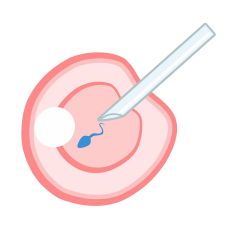
Doctor Mona Dahiya usually advises IUI treatment to young men who are facing mild male infertility issues like low sperm count or mobility, or to women who are going through ovulation issues such as PCOS, cervical factor issues, or mild endometriosis. IUI is often the first line of treatment for women under 30 years if they have been trying for several months.
WOMEN INFERTILITY ISSUES

IUI aligns sperm insemination with women’s 6 most fertile days, depending on the cycle length of 24/28/32 Days.

The “Wash” process of IUI increases the sperm motility by 5x by bypassing cervical mucus – the top-most issue faced by endometriosis patients.

In women facing cervical factor infertility, IUI increased the chance of conception by taking 100% of the processed sperm directly to the target area.

MALE INFERTILITY ISSUES
The IUI procedure concentrates the healthiest sperm by up to 5 times, which increases the post-wash motile count to 5-10 million.
IUI helps with low motility challenges by shortening your sperm’s journey by 10 cm and boosting Grade A sperm concentration by 5 times.
IUI filters out your stronger sperm out of the many with minor quality concerns to improve the chances of successful implantation.
Other SITUATIONS

For cases where the results appear normal, but pregnancy is not happening, IUI can present a focused & supportive idea about the next steps.

IUI is considered the best treatment for women who are looking for a less invasive option when using a donor sperm.

When it is difficult for you to maintain the consistency & timing of sexual interaction, IUI can ensure fertilisation gets the medical support it needs.

What does Dr. Mona evaluates during follicular monitoring?

During each visit, fertility specialist Dr. Mona Dahiya analyses the scan findings clinically to guide the same-cycle treatment plan. The goal for her team is to decide the right timing in the current cycle instead of waiting for next month.

Which symptoms indicate female infertility?

There are certain menstrual changes and pelvic symptoms that point towards female infertility. Dr. Mona Dahiya is trusted for identifying them early on and planning the right fertility treatment that will get quicker success.

Ovulation disorder

If you are going through unpredictable cycles, it may mean that ovulation is not occurring regularly.

Endometriosis

Having severely painful periods, cycle after cycle, can be a sign of weak fertilisation that may later become an issue for embryo implantation.

Thin uterine lining

This can happen because of low estrogen or poor endometrial development, which, in turn, will block successful embryo implantation.

Fibroids

Heavy blood flow during periods may be a sign of abnormal uterine growth that will interfere with embryo attachment.

Pelvic inflammation

This indicates the presence of infection, cysts, or pelvic adhesions, which again can negatively affect fertility.

Declining egg quality

The ovarian reserve and quality of egg naturally reduce after you cross the 35-year mark.

Tubal blockage

There can be issues where adhesions or scarring are preventing eggs from meeting the sperm

Increase your chances of getting pregnant in this cycle by 20-25%

What to expect from your first visit?

There are certain menstrual changes and pelvic symptoms that point towards female infertility. Dr. Mona Dahiya is trusted for identifying them early on and planning the right fertility treatment that will get quicker success.

Medical history discussion

Dr. Mona will review your cycle pattern, past pregnancies, health issues, thyroid or PCOS history, along with the duration you have been trying to conceive to find the cause for infertility.

Cycle review

Your ovulation time, cycle regularity, and details like pain, bleeding, or missed periods will be checked to spot hormone issues.

Report review

Your past blood tests, scans, and prescriptions will be checked so you don’t have to repeat the same tests again.

Scans or test planning

Dr. Mona may also prescribe a pelvic ultrasound, hormone tests, or a fertility evaluation test, if needed.

Common fertility evaluation tests

After the follicular ultrasound, Dr. Mona’s team monitors how the follicle is growing & whether ovulation is happening normally. Based on the finding, Dr. Mona explains the current situation & guides the same cycle fertility plan so that you know what to expect.

Hormone tests

Some blood tests are done on days 2 and 3 of the menstrual cycle. One of them is the AMH test, which measures the ovarian reserve, and the other two - FSH and LH assess the ovulation function. Thyroid and prolactin levels may also be checked to look for any hormonal imbalance.

Pelvic ultrasound and follicular monitoring

A transvaginal ultrasound is done to check the ovaries, follicle growth, cysts, and the uterine lining. In cases where cycles are being tracked, follicular monitoring helps confirm ovulation and if the lining is ready for implantation.

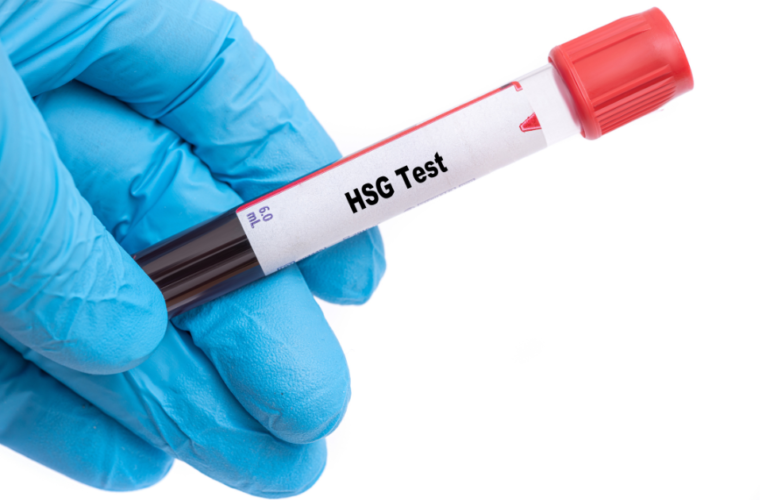
HSG test

The hysterosalpingography test is performed between days 6 and 10 after menstruation. In the test, a contrast dye is passed in the fallopian tubes to check for blockages and if the uterine cavity is fertilisation and embryo movement ready.

Diagnostic laparoscopy

The test is usually recommended when the initial findings suggest endometriosis, adhesions, or pelvic diseases. The 5-10 mm keyhole procedure allows direct visualisation and treatment of the underlying issue that is causing infertility.

Follicular Ultrasound Monitoring Schedule & Timeline

Every follicular monitoring scan is planned around one menstrual cycle. The 5-10 minutes, no-anaesthesia-required transvaginal ultrasound is one of the quickest procedures that track ovulation accurately. The first scan usually starts early in the cycle & is repeated every 2-3 days. Usually, in one cycle, you can expect around 3-5 visits to plan for IUI or timed intercourse.
Follicular study phase Cycle day Activity
Baseline Day 2-3 Scan checks if the ovaries are resting, counts small follicles & measures uterine lining.
Early growth Day 8-9 Monitors follicle development & body’s response to ovulation induction medicine.
Dominant follicle Day 10-12 Measures endometrial thickness & follicle size. The dominant follicle should grow to 14-18 mm.
Pre-ovulation Day 12-14 Checks if the follicle has reached 18-22 mm size – a sign of egg maturity. Ovulation trigger medicine may be advised at this stage.
Ovulation confirmation 24-48 hours later Confirms follicle rupture & ovulation. At this stage, Dr. Mona advises timed intercourse or IUI.

What does Dr. Mona evaluates during follicular monitoring?

During each visit, fertility specialist Dr. Mona Dahiya analyses the scan findings clinically to guide the same-cycle treatment plan. The goal for her team is to decide the right timing in the current cycle instead of waiting for next month.

Follicle growth rate

The dominant follicle is measured in every visit. Usually, the egg should grow by about 1.5 to 2 mm every day - timeline that helps estimate when the egg will mature.

Ovulation timing

The moment a follicle reaches 18-22 mm in size, ovulation can be expected to happen within 24-36 hours. Knowing this helps plan timed intercourse & IUI treatment.

Endometrial thickness

Along with the follicle, Dr. Mona’s team also checks the uterine lining. Clinically, a thickness of 7-10 mm is considered ideal for implantation.

Medication response

In conditions where ovulation induction medicine is used, the response is assessed to adjust the dose & avoid overstimulation.

Cycle planning

Based on the findings, Dr. Mona decides whether to continue natural attempts, try IUI, or modify the treatment in the same cycle.

Increase your chances of getting pregnant in this cycle by 20-25%

The cost of Follicular ultrasound monitoring

Follicular monitoring scan cost is probably one of the most affordable treatment plans. The best part is that for a small cost you can get insights into your ovulation timing, uterine lining – ensuring that planning does not go to waste.
IVF PhaseDaysActivities
BaselineDay 2 or 3Blood test & ultrasound to assess ovarian reserve and readiness.
StimulationDay 2 – 10Hormonal injections to stimulate multiple follicles.
MonitoringDay 6 – 10Regular ultrasounds & blood tests to track growth and hormones.
TriggerDay 10 or 11hCG/GnRH injection to mature eggs.
Egg RetrievalDay 12 – 13Eggs collected under anesthesia.
FertilisationDay 12 – 15Eggs fertilised in lab & embryos monitored.
Embryo TransferDay 15 or 17Embryo (Day 3 or 5) placed into uterus.
Luteal PhaseDay 16 – 28Progesterone support for implantation.
TestingDay 28 or 29Pregnancy test after 12–14 days.

Get treated under the guidance of the most trusted IVF Doctor in Delhi-NCR

What to Expect Before, During, and After IVF

Mother with baby

Medical & Hormonal Tests

+
A comprehensive bloodwork & health assessment will help customise the safest, high success rate treatment plan.

Semen Analysis

+
A detailed review of sperm count, movement & structure is done to determine the potential of male fertility.

Sexually Transmitted Infection Screening

+
We check for infection, which may affect reproductive health, treatment success, or the safety of pregnancy.

Test Ovarian Reserve

+
FSH, AMH & follicular ultrasound tests are done to count viable eggs and guide the medication dosage.

Uterine Evaluation

+
Ultrasound scans are examined to determine whether the uterus is ready for embryo implantation.

Genetic Screening

+
Dr. Mona’s team checks for hereditary risks in sperm & embryos to increase the chances of a healthy pregnancy.

Mother with baby

Ovarian stimulation

+
Daily hormone injections are prescribed to stimulate multiple eggs. The growth is then closely monitored by the fertility team.

Egg retrieval

+
It is a short, painless 1-day procedure that is performed under sedation to collect mature eggs from the ovaries.

Fertilisation & embryo culture

+
The sperm and egg are combined in the lab & then monitored for healthy embryo growth.

Embryo transfer

+
The selected embryos are placed in the uterus in a quick & comfortable procedure guided by ultrasound.

Mother with baby

Post-treatment Symptoms

+
You may experience some mild bloating, cramping, or abdominal discomfort, but it will pass in a few days.

When Should You Contact Your Doctor?

+
If you are experiencing severe pain, heavy bleeding, or discomfort even after 48 hours, you should immediately get in touch with your doctor.

Our scope of female infertility treatment

Backed by a medical experience that spans over 25 years, Dr. Mona has treated a wide range of infertility cases with 90% success rate. When you visit her clinic after multiple failed tries, you can rest assured that her team will chart out the next best step after extensive testing and solutions planning.

Correct fertile window

Identify the exact 24-48-hour ovulation period so that intercourse or IUI can be planned on the most fertile days.

Improves natural pregnancy chances

Proper timing increases the probability of conception in every menstrual cycle.

Supports IUI

Accurate follicle tracking ensures insemination gets done within 24-36 hours of the ovulation trigger.

Detect ovulation problems

The scan can reveal anovulation, delayed ovulation, or PCOS related cycle irregularities.

Avoids unnecessary IVF

Many couples are able to conceive with just ovulation correction, eliminating the need for immediate IVF treatment.

Non-surgical & safe

The scan only takes a few minutes, does not require anaesthesia, and the patients are able to resume their normal activities immediately.

Ovulation treatment

Tablets or injections are prescribed to stimulate egg development in females who are suffering from ovulation disorders or PCOS. Once done, your cycles are tracked through ultrasound scans to confirm ovulation. 30-40% patients conceive naturally simply by having intercourse on the day of ovulation.

IUI treatment

Here, the best sperm is filtered and placed inside the uterus at the time of ovulation to improve the fertilisation timing. It is usually advised for patients suffering from mild infertility or unexplained infertility situations. After the treatment, the success rate will improve by 10-20% in the next cycle, and will continue to improve over the next 3-4 cycles.

IVF treatment

The procedure is usually advised when you have blocked tubes, severe endometriosis, or repeated treatment failure. Here, the eggs are fertilised in a lab, and once embryos reach a certain stage, they are placed in the uterus for further development.

Surgical intervention

Surgical procedures like laparoscopic or hysteroscopic may be suggested in serious conditions like polyps, fibroids, adhesions, or endometriosis. These surgeries restore the body’s normal anatomy, which, in turn, improves the fertility rate.

Donor egg

Dr. Mona suggests using donor eggs when the ovarian reserve is too low or egg quality is very poor. These methods help increase the chances of conceiving when other treatments have failed.

Ovulation treatment

Tablets or injections are prescribed to stimulate egg development in females who are suffering from ovulation disorders or PCOS. Once done, your cycles are tracked through ultrasound scans to confirm ovulation. 30-40% patients conceive naturally simply by having intercourse on the day of ovulation.

IUI treatment

Here, the best sperm is filtered and placed inside the uterus at the time of ovulation to improve the fertilisation timing. It is usually advised for patients suffering from mild infertility or unexplained infertility situations. After the treatment, the success rate will improve by 10-20% in the next cycle, and will continue to improve over the next 3-4 cycles.

IVF treatment

The procedure is usually advised when you have blocked tubes, severe endometriosis, or repeated treatment failure. Here, the eggs are fertilised in a lab, and once embryos reach a certain stage, they are placed in the uterus for further development.

Surgical intervention

Surgical procedures like laparoscopic or hysteroscopic may be suggested in serious conditions like polyps, fibroids, adhesions, or endometriosis. These surgeries restore the body’s normal anatomy, which, in turn, improves the fertility rate.

Donor egg

Dr. Mona suggests using donor eggs when the ovarian reserve is too low or egg quality is very poor. These methods help increase the chances of conceiving when other treatments have failed.
Unsure of which treatment will fit your issue?

How much does a female infertility treatment cost?

The cost of female infertility treatment depends heavily on the diagnosis and the treatment you will need to address the underlying issue. With Dr. Mona, your treatment starts with simple, low-cost options and costly procedures like IVF are used only if truly needed.
 
Treatment component Costs
Fertility medications Rs. 500 – Rs. 1,000 per cycle
IUI treatment Rs. 5,000 – Rs. 10,000 per cycle
IVF treatment Rs. 1,00,000 – Rs. 1,50,000 per cycle
Laparoscopic surgery Rs. 30,000 – Rs. 1,00,000
*The cost of medications, embryo freezing, and genetic testing will be additional.

Consultations

Egg retrieval

Ultrasound monitoring

 Routine fertility tests

Fertilisation in the lab

Embryo transfer

Consultations

To get an accurate cost estimate for your personalised IVF plan

Why choose Dr. Mona Dahiya for your infertility treatment?

Dr. Mona Dahiya treats every case with an expertise backed by 25+ years of clinical research and practice in reproductive medicine and infertility treatment. Her fertility clinic in Delhi-NCR is equipped with all the modern diagnostic technologies, powering quick and accurate fertility evaluation tests, ultrasound assessment & treatment planning in one place. By bringing all the solutions under one roof, Dr. Mona ensures that the investigations are coordinated and not repeated.

Under Dr. Mona’s care, every patient receives a personalised fertility treatment plan based on age, ovarian reserve, and medical history instead of some fixed protocol. They are guided through the different treatment options with clear expectations at every stage.
Not sure why your pregnancy tries are failing? A fertility consultation can identify the cause and your treatment options.

Consultations

Egg retrieval

Ultrasound monitoring

 Routine fertility tests

Fertilisation in the lab

Embryo transfer

Consultations

To get an accurate cost estimate for your personalised IVF plan

Blogs

Gallery of Hope &
Excellence

A word from happy patients

Vrinda Fertility Centre’s IVF experts helped us cross all the hurdles on our path towards parenthood. They transformed our dreams and blossomed into cherished miracles.

Anjali and Shivam

Vrinda Fertility Centre’s IVF experts helped us cross all the hurdles on our path towards parenthood. They transformed our dreams and blossomed into cherished miracles.

Anjali and Shivam

Vrinda Fertility Centre’s IVF experts helped us cross all the hurdles on our path towards parenthood. They transformed our dreams and blossomed into cherished miracles.

Anjali and Shivam

Vrinda Fertility Centre’s IVF experts helped us cross all the hurdles on our path towards parenthood. They transformed our dreams and blossomed into cherished miracles.

Anjali and Shivam

FAQ’s

You should seek consultation when pregnancy has not happened even after trying for 12 months. Earlier consultation can also be done if your periods are irregular, are very painful, or if you have had miscarriages.

IVF is suggested only when simpler treatments like ovulation induction or IUI do not work on you. Generally, we have seen patients being able to conceive once the correct reason has been identified and treated. 

The primary tests are hormone checks such as AMH, FSH, LH, TSH, prolactin, and a pelvic ultrasound. Then, based on their reports, the doctor may suggest tests like HSG or laparoscopy.

Irregular cycles do often mean there are ovulation problems like hormonal imbalances or PCOS. Generally, only by correcting the cycle pattern and ovulation timing, the chances of getting pregnant increases automatically. 

The quality of egg and ovarian reserve do decline after 35 years of age, which affects the chances of natural conception and success of treatments. 

Honestly, it depends on the treatment you are going with. Some patients are able to conceive within 1-2 cycles after IUI, while others may need 4-5 cycles of IVF treatment. The timeline can only be decided after evaluation.

In most of the cases, yes, especially after the underlying cause has been identified. The right treatment at the right time can improve your chances of getting pregnant, at any age.

It is suggested to carry your previous reports, ultrasound scans, blood tests, & prespecriptions, if any. These documents will help avoid repeat investigations & allow for faster treatment planning with Dr. Mona Dahiya.  

Female Infertility Treatment New