
Follicular Ultrasound Monitoring

25,000+ couples have put their trust on Dr. Mona Dahiya’s follicular ultrasound expertise to guide them through the right treatment at the right time.

What is Follicular Ultrasound?

90320912cb3a1e28cbf7beed99c2175161f4c074
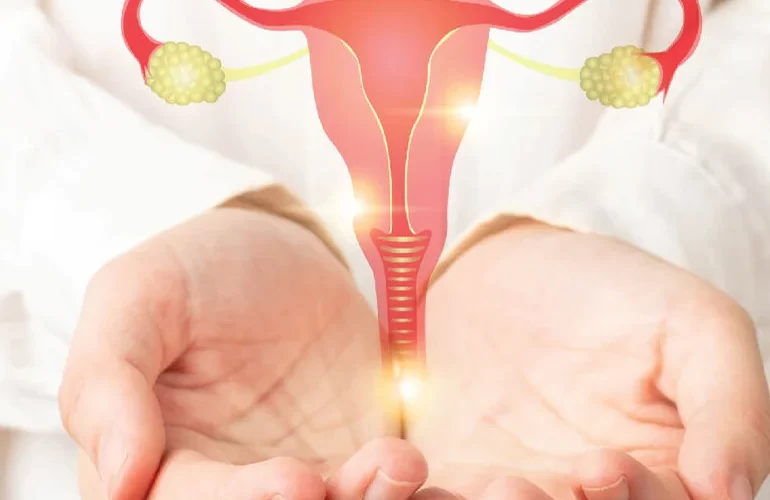
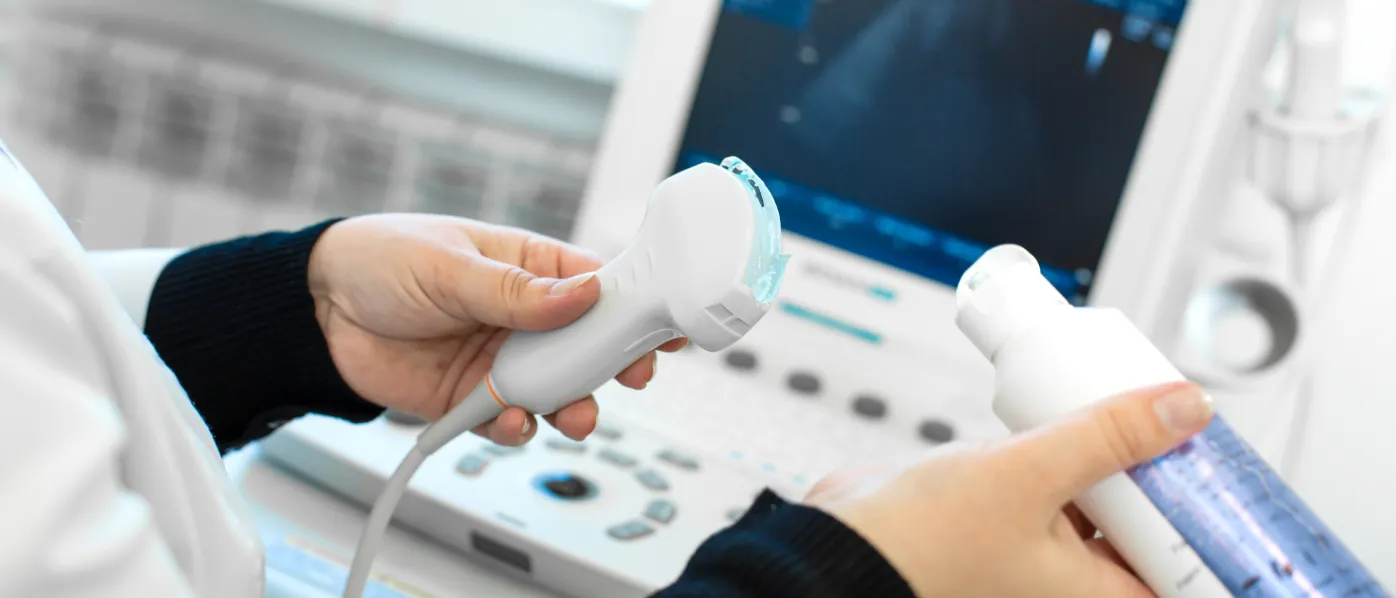
It is a transvaginal fertility-related ultrasound used to monitor egg growth & the exact ovulation timing during a menstrual cycle. Dr. Mona uses the scan reports to plan out timed intercourse, ovulation induction treatment for successful pregnancy.

25+ Years Experience

25,000+ Patients Treated

Rated 5.0 by
Patients

99% precise follicular scan

100+
Publications

50+
Awards

100% Privacy Assured

Why Choose Dr Mona Dahiya for your IVF Journey?

With more than 25 years of experience and thousands of successful journeys,
Dr. Mona Dahiya provides warm, personalised and expert fertility care. She ensures you feel supported and understood at every step of your path to parenthood.

High success rate

State of the art facilities

Ethical practices

Affordable cost

Utmost Transparency

Rated 4.9 by 1100+ Patients

100% Privacy Assured

World Class IVF Laboratory

Highest Success Rate of 90%+

Licensed ART Facility

When should you choose IUI for your fertility treatment?

Doctor Mona Dahiya usually advises IUI treatment to young men who are facing mild male infertility issues like low sperm count or mobility, or to women who are going through ovulation issues such as PCOS, cervical factor issues, or mild endometriosis. IUI is often the first line of treatment for women under 30 years if they have been trying for several months.
WOMEN INFERTILITY ISSUES

IUI aligns sperm insemination with women’s 6 most fertile days, depending on the cycle length of 24/28/32 Days.

The “Wash” process of IUI increases the sperm motility by 5x by bypassing cervical mucus – the top-most issue faced by endometriosis patients.

In women facing cervical factor infertility, IUI increased the chance of conception by taking 100% of the processed sperm directly to the target area.

MALE INFERTILITY ISSUES
The IUI procedure concentrates the healthiest sperm by up to 5 times, which increases the post-wash motile count to 5-10 million.
IUI helps with low motility challenges by shortening your sperm’s journey by 10 cm and boosting Grade A sperm concentration by 5 times.
IUI filters out your stronger sperm out of the many with minor quality concerns to improve the chances of successful implantation.
Other SITUATIONS

For cases where the results appear normal, but pregnancy is not happening, IUI can present a focused & supportive idea about the next steps.

IUI is considered the best treatment for women who are looking for a less invasive option when using a donor sperm.

When it is difficult for you to maintain the consistency & timing of sexual interaction, IUI can ensure fertilisation gets the medical support it needs.

What does Dr. Mona evaluates during follicular monitoring?

During each visit, fertility specialist Dr. Mona Dahiya analyses the scan findings clinically to guide the same-cycle treatment plan. The goal for her team is to decide the right timing in the current cycle instead of waiting for next month.

Who is Follicular Ultrasound advised to?

Follicular ultrasound is generally recommended to patients who are planning for natural conception, ovulation treatment & IUI treatment. It helps identify the right time for implantation by checking whether ovulation is happening on time.


For couples undergoing infertility treatment, the ultrasound brings them one step closer to the parenthood dream.

Trying to conceive for 6-12 months

If pregnancy has not happened despite multiple tries, the ovulation tracking scan can check whether the eggs are maturing & releasing every cycle.

Irregular periods

Unpredictable periods usually indicate delayed or lack of ovulation. Follicular monitoring can help confirm ovulation & identify the cycle pattern.

PCOS

Women suffering from PCOS may suffer from follicles that do not rupture. Monitoring them carefully ensures ovulation induction medicines are working.

Ovulation induction treatment

Patients who are taking fertility tablets or injections need scans every 2-3 days to monitor follicular growth & prevent overstimulation.

Before IUI treatment

IUI success is heavily dependent on timing. With the help of follicular ultrasound, doctors are able to identify the exact day for insemination.

Unexplained fertility

In cases where reports appear normal, folliculometry reveals missed ovulation time or delayed egg release accurately.

Follicular Ultrasound Monitoring Schedule & Timeline

Every follicular monitoring scan is planned around one menstrual cycle. The 5-10 minutes, no-anaesthesia-required transvaginal ultrasound is one of the quickest procedures that track ovulation accurately. The first scan usually starts early in the cycle & is repeated every 2-3 days. Usually, in one cycle, you can expect around 3-5 visits to plan for IUI or timed intercourse.
Follicular study phase Cycle day Activity
Baseline Day 2-3 Scan checks if the ovaries are resting, counts small follicles & measures uterine lining.
Early growth Day 8-9 Monitors follicle development & body’s response to ovulation induction medicine.
Dominant follicle Day 10-12 Measures endometrial thickness & follicle size. The dominant follicle should grow to 14-18 mm.
Pre-ovulation Day 12-14 Checks if the follicle has reached 18-22 mm size – a sign of egg maturity. Ovulation trigger medicine may be advised at this stage.
Ovulation confirmation 24-48 hours later Confirms follicle rupture & ovulation. At this stage, Dr. Mona advises timed intercourse or IUI.

What does Dr. Mona evaluates during follicular monitoring?

During each visit, fertility specialist Dr. Mona Dahiya analyses the scan findings clinically to guide the same-cycle treatment plan. The goal for her team is to decide the right timing in the current cycle instead of waiting for next month.

Follicle growth rate

The dominant follicle is measured in every visit. Usually, the egg should grow by about 1.5 to 2 mm every day - timeline that helps estimate when the egg will mature.

Ovulation timing

The moment a follicle reaches 18-22 mm in size, ovulation can be expected to happen within 24-36 hours. Knowing this helps plan timed intercourse & IUI treatment.

Endometrial thickness

Along with the follicle, Dr. Mona’s team also checks the uterine lining. Clinically, a thickness of 7-10 mm is considered ideal for implantation.

Medication response

In conditions where ovulation induction medicine is used, the response is assessed to adjust the dose & avoid overstimulation.

Cycle planning

Based on the findings, Dr. Mona decides whether to continue natural attempts, try IUI, or modify the treatment in the same cycle.

Increase your chances of getting pregnant in this cycle by 20-25%

The cost of Follicular ultrasound monitoring

Follicular monitoring scan cost is probably one of the most affordable treatment plans. The best part is that for a small cost you can get insights into your ovulation timing, uterine lining – ensuring that planning does not go to waste.
IVF PhaseDaysActivities
BaselineDay 2 or 3Blood test & ultrasound to assess ovarian reserve and readiness.
StimulationDay 2 – 10Hormonal injections to stimulate multiple follicles.
MonitoringDay 6 – 10Regular ultrasounds & blood tests to track growth and hormones.
TriggerDay 10 or 11hCG/GnRH injection to mature eggs.
Egg RetrievalDay 12 – 13Eggs collected under anesthesia.
FertilisationDay 12 – 15Eggs fertilised in lab & embryos monitored.
Embryo TransferDay 15 or 17Embryo (Day 3 or 5) placed into uterus.
Luteal PhaseDay 16 – 28Progesterone support for implantation.
TestingDay 28 or 29Pregnancy test after 12–14 days.

Get treated under the guidance of the most trusted IVF Doctor in Delhi-NCR

What to Expect Before, During, and After IVF

Mother with baby

Medical & Hormonal Tests

+
A comprehensive bloodwork & health assessment will help customise the safest, high success rate treatment plan.

Semen Analysis

+
A detailed review of sperm count, movement & structure is done to determine the potential of male fertility.

Sexually Transmitted Infection Screening

+
We check for infection, which may affect reproductive health, treatment success, or the safety of pregnancy.

Test Ovarian Reserve

+
FSH, AMH & follicular ultrasound tests are done to count viable eggs and guide the medication dosage.

Uterine Evaluation

+
Ultrasound scans are examined to determine whether the uterus is ready for embryo implantation.

Genetic Screening

+
Dr. Mona’s team checks for hereditary risks in sperm & embryos to increase the chances of a healthy pregnancy.

Mother with baby

Ovarian stimulation

+
Daily hormone injections are prescribed to stimulate multiple eggs. The growth is then closely monitored by the fertility team.

Egg retrieval

+
It is a short, painless 1-day procedure that is performed under sedation to collect mature eggs from the ovaries.

Fertilisation & embryo culture

+
The sperm and egg are combined in the lab & then monitored for healthy embryo growth.

Embryo transfer

+
The selected embryos are placed in the uterus in a quick & comfortable procedure guided by ultrasound.

Mother with baby

Post-treatment Symptoms

+
You may experience some mild bloating, cramping, or abdominal discomfort, but it will pass in a few days.

When Should You Contact Your Doctor?

+
If you are experiencing severe pain, heavy bleeding, or discomfort even after 48 hours, you should immediately get in touch with your doctor.

Benefits of Follicular Monitoring

During each visit, fertility specialist Dr. Mona Dahiya analyses the scan findings clinically to guide the same-cycle treatment plan. The goal for her team is to decide the right timing in the current cycle instead of waiting for next month.

Correct fertile window

Identify the exact 24-48-hour ovulation period so that intercourse or IUI can be planned on the most fertile days.

Improves natural pregnancy chances

Proper timing increases the probability of conception in every menstrual cycle.

Supports IUI

Accurate follicle tracking ensures insemination gets done within 24-36 hours of the ovulation trigger.

Detect ovulation problems

The scan can reveal anovulation, delayed ovulation, or PCOS related cycle irregularities.

Avoids unnecessary IVF

Many couples are able to conceive with just ovulation correction, eliminating the need for immediate IVF treatment.

Non-surgical & safe

The scan only takes a few minutes, does not require anaesthesia, and the patients are able to resume their normal activities immediately.

The cost of Follicular ultrasound monitoring

Follicular monitoring scan cost is probably one of the most affordable treatment plans. The best part is that for a small cost you can get insights into your ovulation timing, uterine lining – ensuring that planning does not go to waste.


Follicular monitoring componentCost range
Base ultrasound – Day 2-3Rs. 1,000-Rs. 2,500
Follow-up follicular scans- 2-4 visitsRs. 2,000-Rs. 7,500
Ovulation confirmation scanRs. 1,000-Rs. 2,500
Ovulation medications & triggerRs. 2,250
Cycle guidance & timing adviseIncluded
Estimated cost per cycleRs. 3,000-Rs.10,000
*Usually, 3-5 scans are needed in one cycle, depending on the ovulation response.
Want to discuss your personalised follicular monitoring plan & cost?

Consultations

Egg retrieval

Ultrasound monitoring

 Routine fertility tests

Fertilisation in the lab

Embryo transfer

Consultations

To get an accurate cost estimate for your personalised IVF plan

What happens after the scan?

After the follicular ultrasound, Dr. Mona’s team monitors how the follicle is growing & whether ovulation is happening normally. Based on the finding, Dr. Mona explains the current situation & guides the same cycle fertility plan so that you know what to expect.

1. Timed intercourse guidance

If the ovulation is normal, you can get the exact 24-48 hour fertile window for natural pregnancy attempts.

2. Ovulation induction treatment

If the eggs are not releasing or maturing, ovulation medication may be prescribed for the next cycle.

3. IUI treatment planning

When the right sperm factors and timing is present, insemination can be scheduled within 24-36 hours of the ovulation trigger.

4. Additional fertility testing

In case ovulation happens normally but pregnancy does not occur, additional tests like semen analysis, hormone evaluation, or tubal testing may be advised.

Why choose Dr. Mona Dahiya for follicular monitoring?

At Dr. Mona Dahiya’s clinic, ovulation tracking & follicular monitoring are not treated as some routine task. Her team personally reviews every follicular ultrasound scan & explains what the findings mean in that cycle. After every visit, you get clarity on the exact fertile days to attempt conception or if further fertility testing will be required.
Dr. Mona personally tracks your progress across cycles, allowing small adjustments instead of restarting the process repeatedly. The level of expertise & care that a doctor comes with makes it comfortable for patients to discuss their intimate details, concerns, and failed attempts easily. Additionally, if any further treatment is needed, the next step can be planned in the same fertility clinic in NCR, without repeat investigations.

Still unsure about ovulation timing?
By examining your ovulation patterns & cycle, Dr. Mona can help you plan a successful pregnancy naturally.

Consultations

Egg retrieval

Ultrasound monitoring

 Routine fertility tests

Fertilisation in the lab

Embryo transfer

Consultations

To get an accurate cost estimate for your personalised IVF plan

Blogs

Gallery of Hope &
Excellence

A word from happy patients

Vrinda Fertility Centre’s IVF experts helped us cross all the hurdles on our path towards parenthood. They transformed our dreams and blossomed into cherished miracles.

Anjali and Shivam

Vrinda Fertility Centre’s IVF experts helped us cross all the hurdles on our path towards parenthood. They transformed our dreams and blossomed into cherished miracles.

Anjali and Shivam

Vrinda Fertility Centre’s IVF experts helped us cross all the hurdles on our path towards parenthood. They transformed our dreams and blossomed into cherished miracles.

Anjali and Shivam

Vrinda Fertility Centre’s IVF experts helped us cross all the hurdles on our path towards parenthood. They transformed our dreams and blossomed into cherished miracles.

Anjali and Shivam

FAQ’s

If ovulation happens normally & the sperm quality is good, timed intercourse after monitoring can lead to natural pregnancy. A lot of couples witness positive conceiving within 2-4 monitored cycles if no other fertility problem is present. 

No. It is a transvaginal scan process that takes a maximum of 10 minutes and does not even require anesthesia. While you may feel mild pressure, it is fairly comfortable. 

Ovulation usually happens when the size is 18-22 mm. The moment follicle reaches this size frame, Dr. Mona either suggests IUI or informs of the exact day of conception. 

Most patients need 3-5 scans starting from Day 2 or 3 of the cycle & then every 2-3 days till ovulation is confirmed. 

Well, no. The scan only tracks ovulation. Pregnancy is confirmed by a blood beta-hCG test around 14 days after the ovulation. 

Not necessarily. The scan is only for the female partner. However, based on the findings, a semen analysis may be advised if pregnancy is not occurring. 

Not necessarily. Dr. Mona recommends IVF treatment only if simpler options like timed conception or IUI will not work. 

Yes. Repeated monitoring can show delayed ovulation, anovulation, or PCOS-related follicle patterns that help guide next steps in current or next cycle.  

Follicular Ultrasound New