
Endometriosis and Infertility: Overcoming Implantation Barriers
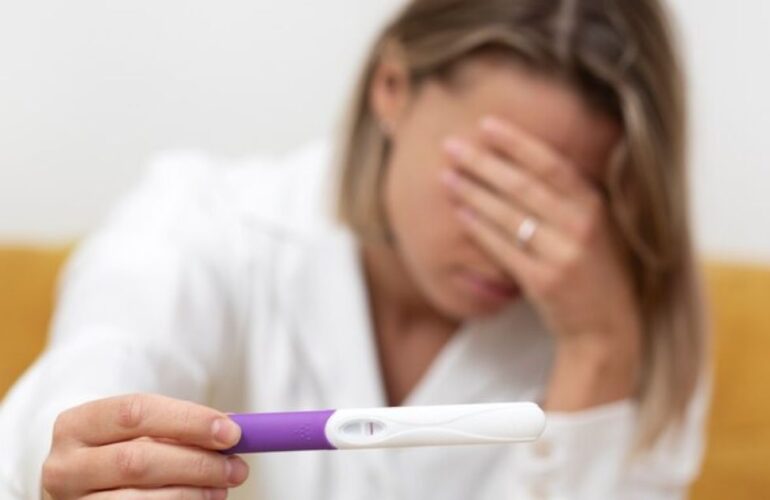
For women with endometriosis and infertility, the road to becoming a parent is a lot like checking off boxes. You are known to have good periods, to eat properly, and perhaps you even had to try to get good embryos by going through medical treatments like IVF, but the test doesn’t come back positive. Dr. Mona Dahiya, at Little Angel IVF, tends to say that it is a most heart-wrenching condition to experience fertility problems for no apparent reason when everything on paper seems perfect.
This condition may be the answer to those who are experiencing repeated poor outcomes or IVF transfer failure. Often, this connection is as simple as an unobtrusive unknown factor – inflammation.
Understanding Endometriosis and Infertility
Endometriosis and infertility involve the spreading of the uterine tissue to an area away from the uterus. The tissue ends up growing along the pelvis lining, fallopian tube, or even on the ovary. This disease might not be serious, but there is a possibility that in very serious cases, there may end up being physical blockages such as scar tissue and chocolate cysts.
Endometriosis and infertility are not only due to blockage. The displaced tissue responds the same as the uterine lining, thickens, and bleeds with each period. Since it does not have any way to be distributed, this blood will cause irritation and pain.
Many women suffer from endometriosis without any symptoms and only get to know about the problem when trying to conceive. Others may have painful periods, pain during sex, or fatigue. This cycle continues throughout the process of conception, so the chances of fertilization are poor.
How Hidden Inflammation Affects Implantation
- Immune response to pelvic inflammation: The immune system mistakes the misplaced tissue for an injury and creates inflammatory chemicals in the body called cytokines in the pelvis. This hyperactive immune system adversely affects the quality of the egg and the thin lining of the womb.
- Progesterone resistance: Progesterone is the main hormone for making the lining of the uterus soft and receptive. Any inflammation will change the receptors inside the uterus and disrupt the responses to progesterone’s messages, resulting in poor lining.
- Changes in the uterine environment: Chronic inflammation will sometimes overlap and may mimic a problem such as chronic endometritis vs endometriosis (an infection of the lining of the uterus), making it even more difficult for the embryo to attach properly.
If the uterine environment is not optimal, a perfectly formed embryo will not attach to the uterine wall, causing early pregnancy loss or IVF failures, which can be emotionally distressing as well as physically painful.
Diagnosis and Treatment Options
The first step, if you think you have any inflammation that’s getting in your way, is to get a good vision of your pelvis. Once a diagnosis of endometriosis and infertility is confirmed, an advanced scanning technique, medical history, and possibly a laparoscopy (minimally invasive surgery) may help to determine just how much consideration is needed.
- Hormonal suppression: Prescribed medications can temporarily reduce the level of hormones, which in turn will reduce the activity of pelvic inflammation and allow the uterine lining to heal.
- Surgery: Endometriosis lesions are visible and can be surgically removed, thus lowering the inflammatory loads within the pelvis considerably.
- In Vitro Fertilization (IVF): With IVF, there is no pelvic environment at all, and the quality of embryos produced in the controlled lab setting avoids the constraints of the pelvis.
How to Improve Uterine Receptivity with Endometriosis
These are the best evidence-based strategies to enhance uterine receptivity to IVF treatment with endometriosis and infertility:
1. Follow an Anti-Inflammatory Diet
Your inflammation level is dependent on the type of food that you eat. A proper Anti-inflammatory Diet for endometriosis fertility can properly curb your immune system. Eat foods rich in omega-3 fatty acids, vegetables rich in antioxidants, leafy greens, and steer clear of too much processed sugar, gluten, and trans fats.
2. Support Your Hormones and Manage Stress
In times of high stress, cortisol may enter the bloodstream, allowing it to add to inflammation across the body, as well as disrupt your hormonal balance, resulting in reproductive problems. Reduce stress in your nervous system by practicing gentle exercise like fertility yoga, powerful acupuncture, or daily meditation.
3. Seek Personalized Fertility Care
Dr Mona Dahiya states that individual diagnostics before intervention into fertility is significant when deep individual diagnostics can be used to understand uterine receptivity. The first step is to address tissue inflammation; if your body is not optimum, it cannot be optimum for a pregnancy.
Conclusion
While suffering from the frustration and the difficulties of endometriosis and infertility can be overwhelming, there is no end to the parenthood dream despite the diagnosis. It just signals that your attention and your focus can now shift to repairing your uterine habitat, as the hidden inflammation is the blockage to implantation.
If one makes certain changes in their lifestyle, uses anti-inflammatory measures, and modern medicine, it would be possible to overcome implantation failure. Take your time for your body, find in-depth care, and maintain the belief of creating your family. Book a consultation with Little Angel IVF today to get a personalized consultation and find out how they can help you bypass inflammation hurdles and get you the family you always dreamed of with their incredible success rate of 90%+.
Frequently Asked Questions
Can endometriosis and infertility cause implantation failure?
Yes. Chronic inflammation develops in the lining of the uterus and the pelvic cavity due to endometriosis. This inflammatory reaction can affect the immune system and cause the progesterone to become resistant to normal embryo development, making it easier for the embryo to not attach to the uterine wall.
How does endometriosis affect implantation?
Endometriosis causes inflammation that causes the chemicals to be released, which damages the quality of the egg, while simultaneously reducing the receptivity of the uterus.
Can women with endometriosis conceive naturally?
As a matter of fact, many women suffering from endometriosis get pregnant normally. However, sometimes it will take longer for there to be any inflammation or scar tissue concealed. A fertility specialist should be seen after more than 12 months of trying to conceive or after 6 months of trying to conceive if one is over 35 years old.
What is the best fertility treatment for endometriosis?
Depending on the severity of the problem, the best treatment will be utilized. The optimal treatment in some cases is IVF, as it does not use the pelvis. The highest success rate occurs with the use of IVF and temporary suppression of hormones, or laparoscopy.
Can lifestyle changes improve fertility with endometriosis?
Of course. Hormone fluctuation, inflammation, and the build-up of stress in the pelvis will cease once you make the following changes to your lifestyle: adopt an anti-inflammatory diet, stress management techniques, and avoid toxins.