

The most trusted Mini IVF treatment center in Delhi-NCR

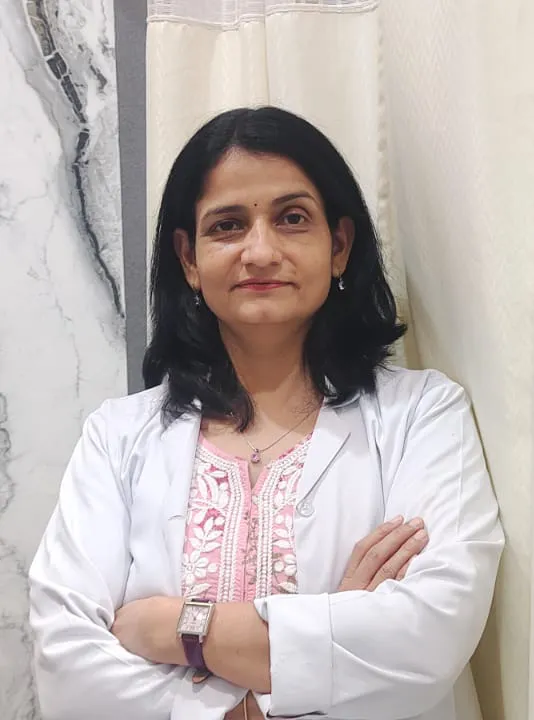
Conventional IVF feels too intensive or medication-heavy? Get a personalised Mini IVF treatment plan from Dr. Mona Dahiya. Over 25,000 patients have trusted her approach that matches fertility conditions with a comfortable & cutting-edge treatment.

What is Mini IVF?

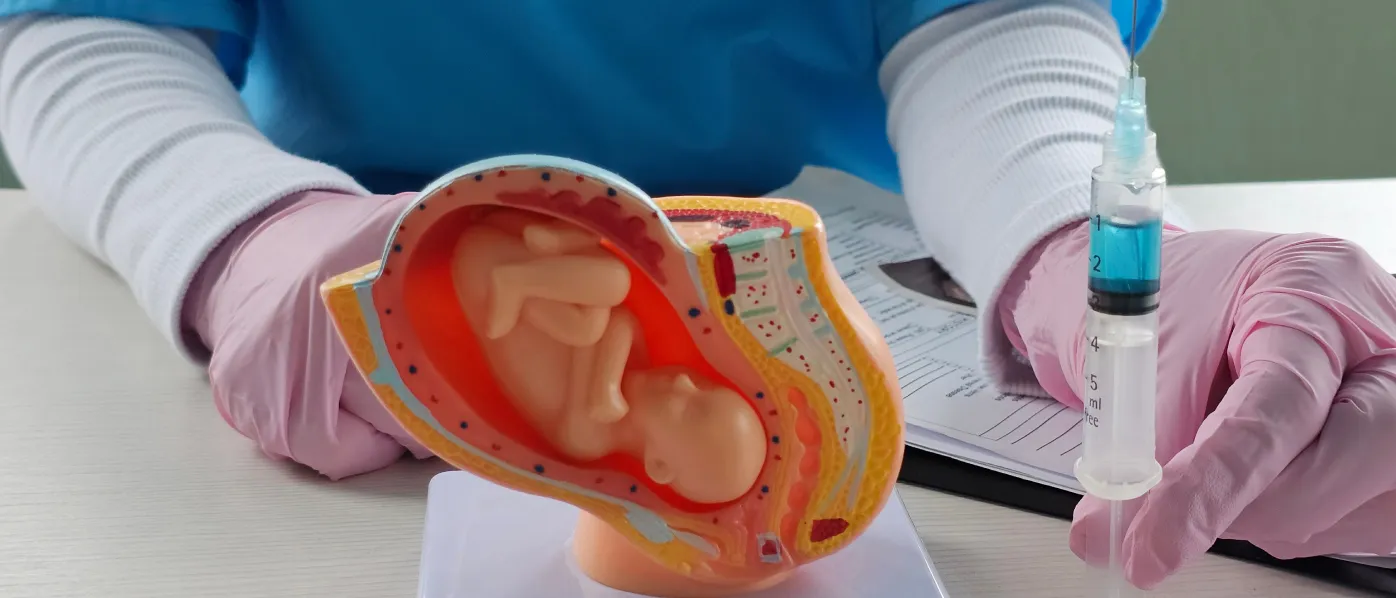
Minimal stimulation IVF (Mini IVF) is a type of in-vitro fertilisation that relies on low medication doses and controlled ovarian stimulation. Instead of going for a high number of eggs, the treatment focuses on retrieving fewer but higher-quality eggs. It is typically advised to select patients where gentler stimulation is appropriate or safer.

IVF vs Mini IVF
Featuree Conventional IVF Mini IVF
Medication dose High-dose injections Low-dose or oral medication
Egg numbers Multiple eggs retrieved Fewer quality eggs
Clinic visits Frequent Lesser visits
Side effects High hormone effects Mild effects
OHSS risks Substantially high Much lesser
Cost Higher Lower

Who is Mini IVF suitable for?

Mini IVF treatment is advised for people for whom conventional IVF stimulation is not necessary or medically suitable. Dr. Mona Dahiya recommends minimal stimulation IVF to patients after reviewing their ovarian reserve, prior IVF response, age & overall fertility conditions to select a more appropriate fertility treatment plan.

Low ovarian reserve & AMH

when the number of eggs is limited & gentle stimulation may improve response

Previous IVF failure

earlier cycles produced fewer eggs despite high medication doses

Age above 35 years

treatment has to prioritise egg quality instead of high egg quantity

PCOS with OHSS risks

safer option for patients who are prone to ovarian hyperstimulation syndrome

Patients looking to avoid heavy dosage

treatment runs on fewer stimulation injections compared with conventional IVF

Medical conditions restricting stimulation

events where high hormone exposure is not advised on medical grounds

Mini IVF treatment process & medications

Mini IVF follows a controlled protocol that uses lower medication doses & careful monitoring. Oral medicines such as clomiphene or letrozole that stimulate LH or FSH release to support follicle growth are combined with low-dose gonadotropin injections. Once the follicles mature, eggs are retrieved, fertilised through IVF or ICSI, embryos are cultures & the selected embryos are transferred. Lastly, progesterone supports implantation after the embryo transfer.
Mini IVF cycle timeline
Phase Approximate days What happens
Baseline assessment Day 2 to 3 Pre-stimulation ultrasound & initial evaluation starts
Mild stimulation Day 3 to 8 Clomiphene/letrozole & low-dose injections stimulate follicle development
Monitoring Day 8 to 12 Ultrasound monitors follicles, usually targeting 1 to 5 mature eggs
Trigger Day 11 to 13 hCG trigger is given to time ovulation
Egg retrieval Day 12 to 14 Eggs are collected through a minor transvaginal process
Fertilsation & culture Day 14 to 18 IVF/ICSI fertilisation & embryo development happen in the lab
Embryo transfer & support Day 17 to 20 Embryo transfer is followed by progesterone luteal phase’s support
Increase your chances of conceiving by 15-25% with Mini IVF

Why do patients choose Mini IVF treatment?

Patients go for Mini IVF treatment when a gentler fertility approach is suggested as medically appropriate for their specific infertility condition. By using minimal stimulation IVF protocols, Dr. Mona Dahiya maintains a controlled ovarian response & low medication exposure. The approach improves treatment comfort while preserving effective fertility treatment outcomes for carefully selected patients.

Low medication exposure

Mini IVF uses oral medicines & low-dose stimulation, reducing hormone load & injection requirement.

Reduced OHSS risk

Controlled stimulation significantly drops the chances of ovarian hyperstimulation syndrome in high-risk patients.

More affordable IVF option

Lowered drug use & monitoring visits decrease the overall Mini IVF treatment cost when compared to conventional IVF.

Better treatment tolerance

Mild hormonal effect translates into lesser bloating, discomfort & treatment fatigue during the IVF cycles.

Useful in low AMH cases

For patients with low ovarian reserve, the treatment focuses on egg quality instead of egg quantity to give more practical treatment outcomes.

How does Dr. Mona manage Mini IVF limitations?

Mini IVF is a treatment that requires careful planning & proper case selection. Dr. Mona reviews the patient’s ovarian reserve, age & previous treatment response to select the correct protocol. The treatment decisions are then adjusted during monitoring so the patients are never at a disadvantage & pregnancy chances remain high.

Fewer eggs retrieved

Dr. Mona Dahiya plans for embryo utilisation & freeing strategies to maximise the available embryos.

Multiple cycles

Cycle planning is staged in a way that cumulative pregnancy chances get improved over time.

Age-related fertility issues

Dr. Mona’s ovarian reserve testing & counselling help decide when Mini IVF is appropriate or when conventional IVF would be better.

Different ovarian responses

Protocols are adjusted using monitoring & medication changes on the basis of follicle development.

Mini IVF treatment cost

The cost of Mini IVF treatment depends heavily on medication needs, monitoring & lab procedures during the cycle. Because minimal stimulation IVF works on a low hormone dose & fewer injections, the expenses are usually lower than conventional IVF. A proper consultation based on ovarian reserve & treatment plan helps estimate the expected cost.

Mini IVF cost breakdown

 
Component Costs
Mini IVF cycle Rs. 60,000 to 1,30,000
Medications Rs. 5,000 to 25,000
Monitoring & ultrasound Rs. 3,000 to 8,000
Embryo freezing Rs. 15,000 to 25,000

Consultations

Egg retrieval

Ultrasound monitoring

 Routine fertility tests

Fertilisation in the lab

Embryo transfer

Consultations

To get an accurate cost estimate for your personalised IVF plan

What is male infertility treatment?

90320912cb3a1e28cbf7beed99c2175161f4c074
Male infertility is a condition where pregnancy becomes complex because of sperm related issues like low sperm count (>15 million sperm per ml), poor motility, abnormal morphology, or when there is an obstruction in sperm transport. There can be several reasons behind these issues – hormonal imbalance, infection, genetic issues, lifestyle factors, or even age-related decline. Dr. Mona Dahiya evaluates all the reasons to build out a male infertility plan involving medications, lifestyle correction, or surgical sperm retrieval procedures.

25+ Years Experience

25,000+ Patients Treated

Rated 5.0 by
Patients

60-80% case improvement after evaluation

100+
Publications

50+
Awards

100% Privacy Assured

Why Choose Dr Mona Dahiya for your IVF Journey?

With more than 25 years of experience and thousands of successful journeys,
Dr. Mona Dahiya provides warm, personalised and expert fertility care. She ensures you feel supported and understood at every step of your path to parenthood.

High success rate

State of the art facilities

Ethical practices

Affordable cost

Utmost Transparency

Rated 4.9 by 1100+ Patients

100% Privacy Assured

World Class IVF Laboratory

Highest Success Rate of 90%+

Licensed ART Facility

When should you choose IUI for your fertility treatment?

Doctor Mona Dahiya usually advises IUI treatment to young men who are facing mild male infertility issues like low sperm count or mobility, or to women who are going through ovulation issues such as PCOS, cervical factor issues, or mild endometriosis. IUI is often the first line of treatment for women under 30 years if they have been trying for several months.
WOMEN INFERTILITY ISSUES

IUI aligns sperm insemination with women’s 6 most fertile days, depending on the cycle length of 24/28/32 Days.

The “Wash” process of IUI increases the sperm motility by 5x by bypassing cervical mucus – the top-most issue faced by endometriosis patients.

In women facing cervical factor infertility, IUI increased the chance of conception by taking 100% of the processed sperm directly to the target area.

MALE INFERTILITY ISSUES
The IUI procedure concentrates the healthiest sperm by up to 5 times, which increases the post-wash motile count to 5-10 million.
IUI helps with low motility challenges by shortening your sperm’s journey by 10 cm and boosting Grade A sperm concentration by 5 times.
IUI filters out your stronger sperm out of the many with minor quality concerns to improve the chances of successful implantation.
Other SITUATIONS

For cases where the results appear normal, but pregnancy is not happening, IUI can present a focused & supportive idea about the next steps.

IUI is considered the best treatment for women who are looking for a less invasive option when using a donor sperm.

When it is difficult for you to maintain the consistency & timing of sexual interaction, IUI can ensure fertilisation gets the medical support it needs.

What does Dr. Mona evaluates during follicular monitoring?

During each visit, fertility specialist Dr. Mona Dahiya analyses the scan findings clinically to guide the same-cycle treatment plan. The goal for her team is to decide the right timing in the current cycle instead of waiting for next month.

What symptoms may indicate male infertility?

Certain sexual & reproductive health changes indicate male factor infertility. An early evaluation of these helps Dr. Mona Dahiya identify the cause & then select the best fertility treatment plan without delay.

Oligospermia

If the sperm count comes out to be less than 15 million/ml, it can significantly lower your chances of natural conception.

Low motility

This happens when the sperm is not able to swim effectively enough to penetrate & fertilise the egg.

Erectile dysfunction

It tends to block intercourse during the fertile window, which ultimately affects the chances of pregnancy.

Testicular swelling or infection

Any untreated past infections or varicocele can lower the sperm production & quality.

Sperm movement issue

This usually happens because of blockage, retrograde ejaculation, or a nerve-related reproductive pathway issue.

Lifestyle factors

Habits & issues like excessive smoking, alcohol, or obesity can also decrease the sperm count & overall fertility.

What are the most common male fertility evaluation tests?

Every male fertility evaluation should be powered by diagnosis, not assumption. Taking the idea forward, Dr. Mona Dahiya reviews semen history, medical conditions, & previous reports before planning the next steps. To make it comfortable for patients, Dr. Mona performs basic tests that would give maximum insights, like sperm production, hormonal, genetic, or obstruction-related causes, instead of directly going for advanced tests.

Semen analysis

The test performed after 2-5 days of abstinence measures the sperm volume, count, motility & morphology. In case the sperm concentration is found to be less than 15 million/ml or there is low progressive motility, it can be a sign of reduced fertility.

Hormone tests

These blood tests are done to assess hormonal regulation in sperm production. For example, FSH can evaluate testicular function, LH shows testosterone production, and testosterone determines your sperm formation & sexual function.

Scrotal ultrasound

Ultrasound imaging is done to measure the testicles' size, varicocele, or if there is any blockages in the sperm pathways. It also detects dilated veins, swelling & structural abnormalities that could affect sperm production.

Genetic testing

It is usually recommended for men with severe low sperm count and azoospermia. Chromosomal testing is also conducted to identify the conditions that may affect sperm development & guide treatment options like IVF-ICSI.

Testicular biopsy

This test is suggested when sperm are not present in the semen. Here, a small tissue sample is taken to check for sperm production & retrieve sperm directly for assisted reproduction procedures.

Follicular Ultrasound Monitoring Schedule & Timeline

Every follicular monitoring scan is planned around one menstrual cycle. The 5-10 minutes, no-anaesthesia-required transvaginal ultrasound is one of the quickest procedures that track ovulation accurately. The first scan usually starts early in the cycle & is repeated every 2-3 days. Usually, in one cycle, you can expect around 3-5 visits to plan for IUI or timed intercourse.
Follicular study phase Cycle day Activity
Baseline Day 2-3 Scan checks if the ovaries are resting, counts small follicles & measures uterine lining.
Early growth Day 8-9 Monitors follicle development & body’s response to ovulation induction medicine.
Dominant follicle Day 10-12 Measures endometrial thickness & follicle size. The dominant follicle should grow to 14-18 mm.
Pre-ovulation Day 12-14 Checks if the follicle has reached 18-22 mm size – a sign of egg maturity. Ovulation trigger medicine may be advised at this stage.
Ovulation confirmation 24-48 hours later Confirms follicle rupture & ovulation. At this stage, Dr. Mona advises timed intercourse or IUI.

What does Dr. Mona evaluates during follicular monitoring?

During each visit, fertility specialist Dr. Mona Dahiya analyses the scan findings clinically to guide the same-cycle treatment plan. The goal for her team is to decide the right timing in the current cycle instead of waiting for next month.

Follicle growth rate

The dominant follicle is measured in every visit. Usually, the egg should grow by about 1.5 to 2 mm every day - timeline that helps estimate when the egg will mature.

Ovulation timing

The moment a follicle reaches 18-22 mm in size, ovulation can be expected to happen within 24-36 hours. Knowing this helps plan timed intercourse & IUI treatment.

Endometrial thickness

Along with the follicle, Dr. Mona’s team also checks the uterine lining. Clinically, a thickness of 7-10 mm is considered ideal for implantation.

Medication response

In conditions where ovulation induction medicine is used, the response is assessed to adjust the dose & avoid overstimulation.

Cycle planning

Based on the findings, Dr. Mona decides whether to continue natural attempts, try IUI, or modify the treatment in the same cycle.

Increase your chances of getting pregnant in this cycle by 20-25%

The cost of Follicular ultrasound monitoring

Follicular monitoring scan cost is probably one of the most affordable treatment plans. The best part is that for a small cost you can get insights into your ovulation timing, uterine lining – ensuring that planning does not go to waste.
IVF PhaseDaysActivities
BaselineDay 2 or 3Blood test & ultrasound to assess ovarian reserve and readiness.
StimulationDay 2 – 10Hormonal injections to stimulate multiple follicles.
MonitoringDay 6 – 10Regular ultrasounds & blood tests to track growth and hormones.
TriggerDay 10 or 11hCG/GnRH injection to mature eggs.
Egg RetrievalDay 12 – 13Eggs collected under anesthesia.
FertilisationDay 12 – 15Eggs fertilised in lab & embryos monitored.
Embryo TransferDay 15 or 17Embryo (Day 3 or 5) placed into uterus.
Luteal PhaseDay 16 – 28Progesterone support for implantation.
TestingDay 28 or 29Pregnancy test after 12–14 days.

Get treated under the guidance of the most trusted IVF Doctor in Delhi-NCR

What to Expect Before, During, and After IVF

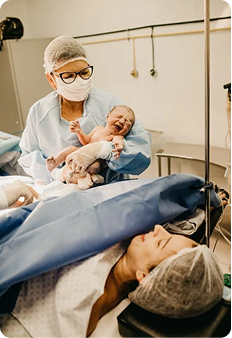
Mother with baby

Medical & Hormonal Tests

+
A comprehensive bloodwork & health assessment will help customise the safest, high success rate treatment plan.

Semen Analysis

+
A detailed review of sperm count, movement & structure is done to determine the potential of male fertility.

Sexually Transmitted Infection Screening

+
We check for infection, which may affect reproductive health, treatment success, or the safety of pregnancy.

Test Ovarian Reserve

+
FSH, AMH & follicular ultrasound tests are done to count viable eggs and guide the medication dosage.

Uterine Evaluation

+
Ultrasound scans are examined to determine whether the uterus is ready for embryo implantation.

Genetic Screening

+
Dr. Mona’s team checks for hereditary risks in sperm & embryos to increase the chances of a healthy pregnancy.

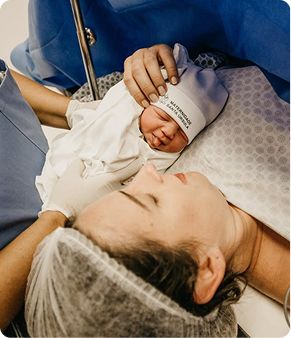
Mother with baby

Ovarian stimulation

+
Daily hormone injections are prescribed to stimulate multiple eggs. The growth is then closely monitored by the fertility team.

Egg retrieval

+
It is a short, painless 1-day procedure that is performed under sedation to collect mature eggs from the ovaries.

Fertilisation & embryo culture

+
The sperm and egg are combined in the lab & then monitored for healthy embryo growth.

Embryo transfer

+
The selected embryos are placed in the uterus in a quick & comfortable procedure guided by ultrasound.

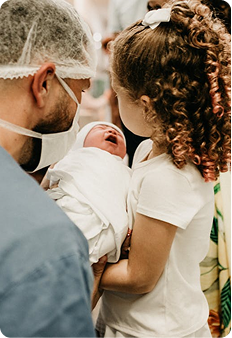
Mother with baby

Post-treatment Symptoms

+
You may experience some mild bloating, cramping, or abdominal discomfort, but it will pass in a few days.

When Should You Contact Your Doctor?

+
If you are experiencing severe pain, heavy bleeding, or discomfort even after 48 hours, you should immediately get in touch with your doctor.
Male infertility treatment options

Based on the evaluation of the multiple tests that Dr. Mona’s team conducts, a personalised step-by-step plan is drawn. Treatment is usually started with reversible factors that progress to assisted reproductive treatment only when simple methods fail to achieve a successful pregnancy.

Correct fertile window

Identify the exact 24-48-hour ovulation period so that intercourse or IUI can be planned on the most fertile days.

Improves natural pregnancy chances

Proper timing increases the probability of conception in every menstrual cycle.

Supports IUI

Accurate follicle tracking ensures insemination gets done within 24-36 hours of the ovulation trigger.

Detect ovulation problems

The scan can reveal anovulation, delayed ovulation, or PCOS related cycle irregularities.

Avoids unnecessary IVF

Many couples are able to conceive with just ovulation correction, eliminating the need for immediate IVF treatment.

Non-surgical & safe

The scan only takes a few minutes, does not require anaesthesia, and the patients are able to resume their normal activities immediately.

Lifestyle modification consultation

Changes like weight control, balanced diet & adequate sleep are advised to support sperm production over one sperm cycle (70-90 days). We also advise patients to stop smoking, excess alcohol, heat exposure & manage stress to increase their sperm count and motility.

Medications and hormone therapy

Hormonal treatment is generally advised when the testosterone, FSH, or LH levels are abnormal. In terms of treatment, antibiotics may treat reproductive infections while antioxidant therapy – Vitamin C, Vitamin E, CoQ10 – may reduce oxidative damage that affects sperm movement & quality.

IUI treatments

Under this treatment, sperm is processed in a lab to concentrate motile sperm, which is then placed inside the uterus during ovulation. IUI is generally recommended in mild low count or motility issues where adequate progressive sperm is present.

IVF-ICSI treatment

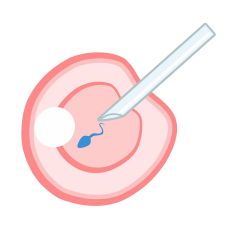
In cases of severe male infertility, a single sperm is injected directly into the egg with the help of intracytoplasmic sperm injection. This bypasses all the sperm motility or morphology issues while enabling fertilisation even with a low sperm count.

Surgical treatments

In some patients, the Varicocelectomy surgery has brought an improvement in testicular temperature & sperm production. In some medical cases, procedures like obstructive azoospermia can be suggested to directly retrieve the sperm from the testicles or epididymis for IVF-ICSI.

Donor sperm

When sperm production is non-viable or even absent despite treatment, donor sperm programs may be discussed as a reproductive option after counselling.

Lifestyle modification consultation

Changes like weight control, balanced diet & adequate sleep are advised to support sperm production over one sperm cycle (70-90 days). We also advise patients to stop smoking, excess alcohol, heat exposure & manage stress to increase their sperm count and motility.

Medications and hormone therapy

Hormonal treatment is generally advised when the testosterone, FSH, or LH levels are abnormal. In terms of treatment, antibiotics may treat reproductive infections while antioxidant therapy – Vitamin C, Vitamin E, CoQ10 – may reduce oxidative damage that affects sperm movement & quality.

IUI treatments

Under this treatment, sperm is processed in a lab to concentrate motile sperm, which is then placed inside the uterus during ovulation. IUI is generally recommended in mild low count or motility issues where adequate progressive sperm is present.

IVF-ICSI treatment

In cases of severe male infertility, a single sperm is injected directly into the egg with the help of intracytoplasmic sperm injection. This bypasses all the sperm motility or morphology issues while enabling fertilisation even with a low sperm count.

Surgical treatments

In some patients, the Varicocelectomy surgery has brought an improvement in testicular temperature & sperm production. In some medical cases, procedures like obstructive azoospermia can be suggested to directly retrieve the sperm from the testicles or epididymis for IVF-ICSI.

Donor sperm

When sperm production is non-viable or even absent despite treatment, donor sperm programs may be discussed as a reproductive option after counselling.
Not sure which treatment is right for you?

Why choose Dr. Mona Dahiya for Mini IVF treatment?

Mini IVF treatment is heavily dependent on correct patient selection. Dr. Mona Dahiya evaluates patients’ ovarian reserve, age & previous IVF response before recommending minimal stimulation IVF, since not every patient benefits from this process. Based on the finding, the decision is made to match the treatment intensity with the actual fertility condition.
Dr. Mona’s decades of experience help her manage low ovarian reserve & poor ovarian response with protocols that are individualised instead of standardised. Everything from medication doses, monitoring frequency & embryo strategy is adjusted for every patient so the Mini IVF cycle remains both medically appropriate & outcome-focused.

Not sure whether you need conventional or Mini IVF?

A consultation can help determine which approach will give you the best pregnancy chances without unnecessary treatment intensity.

Consultations

Egg retrieval

Ultrasound monitoring

 Routine fertility tests

Fertilisation in the lab

Embryo transfer

Consultations

To get an accurate cost estimate for your personalised IVF plan

Mini IVF Success Rates:

“Mini” might make you think that the success rates are “Mini,” as well. But the truth is that it’s quite the opposite. In Mini IVF, it’s all about quality.

Why choose us?

When looking for a place to begin fertility treatment, it’s important to choose with care. Amongst the rush of fertility clinics in the Delhi NCR, we deliver more with less. Here’s why we are trusted by families:

A "Patient-First" Approach

We believe minimalistic medication is the key to success. Our Mini IVF protocols have lower doses of hormones, and put the health of your body and the quality of your eggs first, even if that means you don't get more eggs.

Less Stress, Discomfort and Hassle

We understand the standard IVF process may be tiring. Fewer injections and less frequent monitoring make it easier to cope and allow you to get on with your life while treatments are underway.

Most Advanced, Gentle Technology

Our labs are stocked with the newest micro-tools built specifically to be used in the fine handling needed for Minimal Stimulation cycles.

Upfront and Honest

Right from the start, we're clear about what's available and how much it will cost. No confusing jargon, no hidden costs - just support and advice.

Blogs

Gallery of Hope &
Excellence

A word from happy patients

Forever thankful! Dr. Mona’s IVF treatment gave us our daughter. Her support and medical brilliance are exceptional.
Divya & Pratyaksh

We cannot control our happiness! Thanks to Dr. Mona, we have got the Child that we dreamt about.
Ameena & Ahmad

We have got our little Angel and we are elated. Dr Mona Maam thanks for your warmth and encouragement. Grateful forever

Ritu & Sanjay

We are now a complete family. Dr. Mona’s treatment worked wonders and we now holding our precious baby. Could not be happier
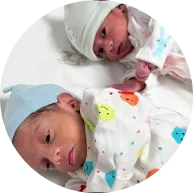
Sunita & Madhav

We have got Twins after one attempt! Dr. Dahiya’s experience made it possible and our family is now complete. Thank you.

Nidhi & Aman

Dr. Mona Dahiya’s guidance and support has given us precious twins. Thank You for all that you have done for us.
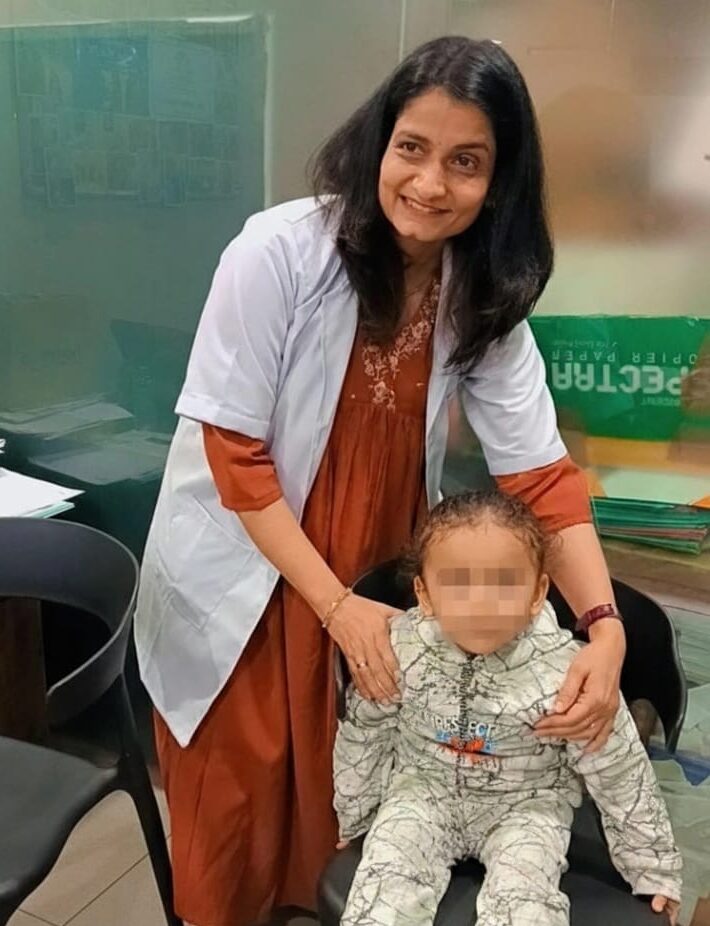
Neha & Vikram

FAQ’s

Mini IVF or minimal stimulation IVF is a fertility treatment that uses lower medication doses to stimulate the ovaries. The aim is to retrieve high-quality usable eggs while lowering hormonal side effects & treatment discomfort
Conventional IVF makes use of high-dose injections to produce multiple eggs, while Mini IVF uses mild stimulation with oral medications & low-dose injections. The latter approach focuses more on egg quality & patient tolerance.
Mini IVF usually retrieves around 1 to 5 eggs in a cycle. The number is lower than standard IVF but is still sufficient for fertilisation & embryo transfer.
Yes, Mini IVF is generally considered for low ovarian reserve patients, as aggressive stimulation may not increase their egg quantity. Considering what is at stake, careful case selection is important before starting treatment.
Well, the success of Mini IVF depends on age, egg quality & underlying infertility cause. For the right patients, pregnancy is possible across planned cycles instead of relying on a single high-stimulation attempt.
Typically yes. The protocol uses fewer injections & medications, making the treatment cost lower than conventional IVF, although the exact cost would depend on the individual’s needs.
Some patients need low-dose injections, but the dose will be much lower than standard IVF. A lot of the cycles use oral medicines like clomiphene or letrozole.
Yes. Dr. Mona reviews every report, ovarian reserve & prior treatment response, based on which she decides which treatment plan will be most effective.

Benefits of IVF treatment

IVF is not just a treatment, but a source of hope for many couples. Here are the reasons why:

Dr. Mona Dahiya

Minimal Stimulation Mini Ivf