

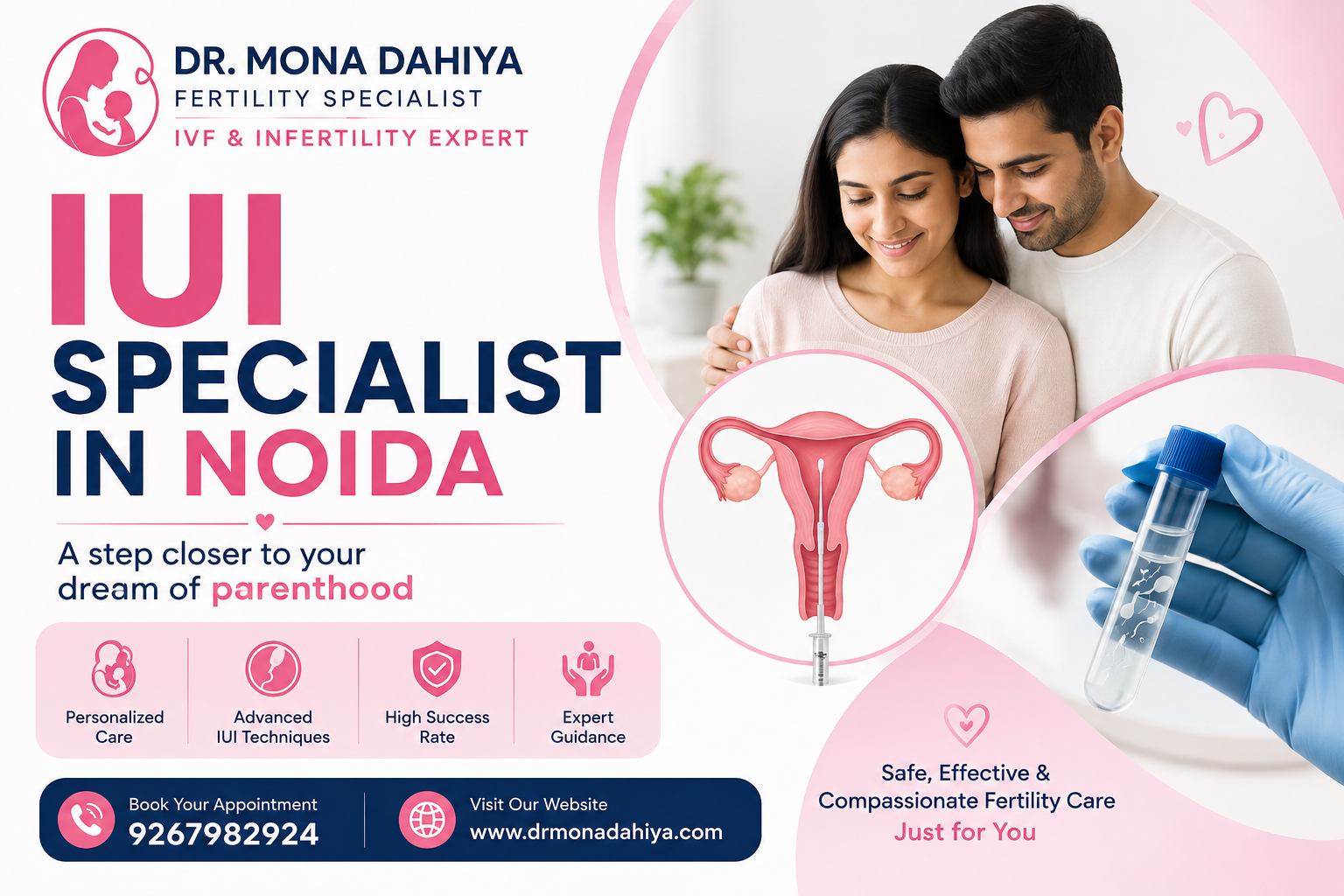
Parenthood is a dream cherished by many couples, but for some, conceiving naturally can be a challenging journey. Infertility affects millions of people worldwide and can arise due to various medical, lifestyle, or age-related factors. Thankfully, advances in reproductive medicine have made fertility treatments more accessible and successful than ever before. Among the first-line fertility treatments, Intrauterine Insemination (IUI) stands out as a safe, effective, and affordable option for couples experiencing mild to moderate infertility.
If you are searching for an IUI Specialist in Noida, understanding the procedure, its benefits, eligibility, and treatment process can help you make informed decisions. An experienced fertility specialist not only performs the procedure but also evaluates your reproductive health, identifies the root cause of infertility, and designs a personalized treatment plan to improve your chances of pregnancy.
This comprehensive guide explains everything you need to know about IUI treatment, from diagnosis to recovery, helping you take the first confident step toward your dream of becoming a parent.
Understanding Infertility
Infertility is generally defined as the inability to conceive after one year of regular, unprotected intercourse. For women aged 35 years or older, medical evaluation is recommended after six months of trying because fertility naturally declines with age.
Infertility is not solely a female concern. In many cases, both partners may contribute to fertility challenges. Medical research indicates that male factors account for a significant percentage of infertility cases, while some couples experience unexplained infertility where standard investigations do not reveal a clear cause.
Seeking timely medical advice allows fertility specialists to diagnose the problem early and recommend the most suitable treatment before valuable reproductive time is lost.
Common Causes of Female Infertility
Several medical conditions can affect a woman’s ability to conceive naturally. These include:
Ovulation Disorders
Regular ovulation is essential for pregnancy. Conditions such as hormonal imbalance or PCOS can interfere with the release of healthy eggs.
Polycystic Ovary Syndrome (PCOS)
PCOS is one of the leading causes of infertility. Women with PCOS may experience irregular periods, delayed ovulation, or anovulation (absence of ovulation).
Endometriosis
Endometriosis occurs when tissue similar to the uterine lining grows outside the uterus, potentially affecting the ovaries, fallopian tubes, and surrounding organs.
Blocked Fallopian Tubes
Healthy fallopian tubes allow sperm to meet the egg. Blockages caused by infection, surgery, or other conditions may prevent fertilization.
Age-Related Fertility Decline
As women grow older, both egg quantity and egg quality gradually decline, reducing the chances of natural conception.
Uterine Conditions
Fibroids, polyps, congenital uterine abnormalities, or scarring may interfere with implantation or pregnancy.
Common Causes of Male Infertility
Male fertility is equally important during conception. Common causes include:
- Low sperm count
- Poor sperm motility
- Abnormal sperm morphology
- Hormonal imbalance
- Varicocele
- Genetic disorders
- Previous infections
- Smoking and alcohol consumption
- Obesity
- Exposure to environmental toxins
A semen analysis remains one of the most important investigations before beginning fertility treatment.
Lifestyle Factors That Affect Fertility
Modern lifestyles can significantly influence reproductive health.
Some factors that may reduce fertility include:
- Smoking
- Excessive alcohol consumption
- Drug abuse
- Poor nutrition
- Obesity
- Chronic stress
- Lack of physical activity
- Poor sleep quality
- Uncontrolled diabetes
- Thyroid disorders
Making healthy lifestyle changes before treatment often improves overall reproductive health and supports better treatment outcomes.
What is Intrauterine Insemination (IUI)?
Intrauterine Insemination (IUI) is a fertility treatment in which specially prepared, healthy sperm are placed directly into the uterus around the time of ovulation.
Normally, sperm must travel through the vagina, cervix, and uterus before reaching the fallopian tube where fertilization occurs. During IUI, this distance is significantly reduced, increasing the number of healthy sperm reaching the egg.
The fertilization process itself still occurs naturally inside the woman’s body. Unlike IVF, eggs are not removed from the ovaries, and fertilization does not take place in a laboratory.
Because it is minimally invasive and relatively affordable, IUI is often recommended as the first assisted reproductive treatment for suitable patients.
How Does IUI Improve Pregnancy Chances?
IUI improves fertility by:
- Delivering highly motile sperm directly into the uterus
- Bypassing cervical mucus problems
- Increasing the concentration of healthy sperm near the fallopian tubes
- Synchronizing insemination with ovulation
- Enhancing the likelihood of sperm meeting the egg
Although pregnancy cannot be guaranteed, carefully timed IUI can significantly improve conception chances in selected patients.
Who Can Benefit from IUI?
An experienced fertility specialist may recommend IUI in several situations.
Unexplained Infertility
When all fertility tests appear normal but pregnancy has not occurred, IUI is often the first treatment option.
Mild Male Factor Infertility
Couples with slightly reduced sperm count or motility may achieve pregnancy after sperm preparation and insemination.
Ovulation Disorders
Women with irregular ovulation due to PCOS or hormonal imbalance often benefit from ovulation induction combined with IUI.
Cervical Factor Infertility
Some women produce cervical mucus that makes it difficult for sperm to reach the uterus. IUI bypasses this obstacle.
Mild Endometriosis
Selected women with mild endometriosis may be suitable candidates depending on their fertility evaluation.
Ejaculatory Disorders
Certain ejaculation-related conditions can also be effectively managed using IUI.
Donor Sperm Programs
IUI is widely used when donor sperm is medically indicated.
When is IUI Not Recommended?
Although IUI is highly effective for many couples, it is not suitable for every situation.
Your fertility specialist may recommend alternative treatments if:
- Both fallopian tubes are blocked.
- Severe male infertility is present.
- Advanced endometriosis has significantly affected fertility.
- Ovarian reserve is very low.
- Multiple previous IUI cycles have been unsuccessful.
In such cases, advanced fertility treatments such as IVF or ICSI may offer better chances of pregnancy.
Why Choosing an Experienced IUI Specialist Matters
The success of fertility treatment depends on much more than the insemination procedure itself.
An experienced IUI Specialist provides:
- Accurate fertility diagnosis
- Individualized treatment planning
- Proper ovulation monitoring
- Evidence-based treatment recommendations
- Emotional support throughout treatment
- Transparent communication regarding expectations
- Guidance if advanced fertility treatment becomes necessary
Every fertility journey is unique. Personalized care ensures that treatment decisions are based on your medical history, fertility goals, and overall reproductive health rather than a one-size-fits-all approach.
Benefits of IUI Treatment
One of the biggest advantages of IUI is that it offers an effective fertility treatment without major medical intervention.
Some key benefits include:
- Simple outpatient procedure
- Minimally invasive
- No surgery required
- No hospitalization
- Usually painless
- Quick recovery
- Affordable compared to IVF
- Short treatment duration
- Can be performed in natural or stimulated cycles
- Suitable for many infertility conditions
These advantages make IUI one of the most commonly recommended fertility treatments worldwide.
Importance of Early Fertility Consultation
Many couples delay seeking fertility care, hoping pregnancy will happen naturally with more time. While patience is important, waiting too long can reduce treatment options, particularly as female fertility declines with age.
Consulting an experienced fertility specialist early allows timely diagnosis, personalized advice, and appropriate treatment planning. Even when IUI is not the final treatment, early evaluation helps determine the most effective path toward parenthood.
Fertility Evaluation Before IUI
Before recommending IUI, a fertility specialist performs a comprehensive evaluation to determine whether the treatment is suitable. Since infertility may involve one or both partners, both individuals should undergo appropriate investigations.
A detailed assessment helps identify the underlying cause of infertility and ensures that the most effective treatment plan is selected.
Medical History
The first consultation usually includes a discussion about:
- Duration of infertility
- Menstrual cycle history
- Previous pregnancies or miscarriages
- Previous fertility treatments
- Medical conditions
- Surgical history
- Current medications
- Lifestyle habits
- Family history of reproductive disorders
This information provides valuable insights into factors that may affect fertility.
Physical Examination
A general and reproductive health examination is performed to identify any visible conditions that could interfere with conception.
The specialist may assess:
- Body Mass Index (BMI)
- Blood pressure
- Thyroid enlargement
- Signs of hormonal imbalance
- Pelvic health
Maintaining overall health plays an important role in fertility treatment outcomes.
Hormonal Investigations
Hormones regulate ovulation and reproductive function. Blood tests may include:
Follicle Stimulating Hormone (FSH)
Helps evaluate ovarian function.
Luteinizing Hormone (LH)
Essential for ovulation and egg release.
Anti-Müllerian Hormone (AMH)
Provides an estimate of ovarian reserve.
Thyroid Function Tests
Both underactive and overactive thyroid disorders can affect fertility.
Prolactin
Elevated prolactin levels may interfere with ovulation.
Additional hormonal tests may be recommended based on individual medical history.
Ultrasound Evaluation
Transvaginal ultrasound is one of the most important investigations before IUI.
It helps assess:
- Ovarian follicles
- Uterine lining (endometrium)
- Ovarian reserve
- Fibroids
- Ovarian cysts
- Endometrial thickness
Ultrasound monitoring also helps determine the ideal timing for insemination.
Semen Analysis
Male fertility contributes significantly to successful conception.
A semen analysis evaluates:
- Total sperm count
- Sperm motility
- Sperm morphology
- Semen volume
- Sperm concentration
If abnormalities are mild, IUI may still be an effective treatment after laboratory sperm preparation.
Tubal Patency Testing
For IUI to be successful, at least one fallopian tube should be open.
Your specialist may recommend:
- Hysterosalpingography (HSG)
- Sonosalpingography (SSG)
- Laparoscopy in selected cases
Blocked tubes usually require alternative fertility treatments.
Preparing for an IUI Cycle
Preparation begins even before the procedure.
Your fertility specialist may advise you to:
- Eat a balanced diet.
- Maintain a healthy body weight.
- Stop smoking.
- Avoid alcohol.
- Reduce caffeine intake.
- Exercise regularly.
- Manage stress.
- Sleep adequately.
- Take prescribed vitamins and supplements.
Healthy habits improve overall reproductive health and may contribute to better treatment outcomes.
Natural Cycle vs Stimulated Cycle
IUI can be performed in two different ways.
Natural Cycle IUI
Women with regular ovulation may undergo IUI without fertility medications.
Advantages include:
- Lower medication use
- Lower risk of multiple pregnancy
- Reduced treatment cost
Stimulated IUI
Women with irregular ovulation or ovulation disorders may receive fertility medications to encourage the development of one or more mature follicles.
This approach often improves pregnancy chances in selected patients.
Fertility Medications Used During IUI
Your fertility specialist may prescribe medications such as:
Oral Ovulation Induction Medicines
These stimulate egg development in women with irregular ovulation.
Injectable Gonadotropins
Used when stronger ovarian stimulation is required.
Trigger Injection
An hCG trigger injection is administered once the follicles reach the desired size to ensure ovulation occurs at the optimal time.
Medication choice depends entirely on the patient’s medical condition.
Follicular Monitoring
One of the most important stages of IUI treatment is follicular monitoring.
Regular ultrasound examinations allow the specialist to monitor:
- Number of follicles
- Follicle size
- Endometrial thickness
- Timing of ovulation
Proper timing significantly improves the likelihood of successful fertilization.
The IUI Procedure: Step by Step
Step 1: Semen Collection
On the day of treatment, the semen sample is collected in a sterile container.
In donor sperm cycles, frozen donor sperm is thawed according to laboratory protocols.
Step 2: Sperm Washing
The semen sample undergoes a specialized laboratory process called sperm washing.
This procedure:
- Removes dead sperm
- Eliminates debris
- Removes seminal fluid
- Concentrates healthy sperm
- Selects highly motile sperm
The resulting sample contains sperm with the best fertilization potential.
Step 3: Timing the Procedure
The insemination is carefully timed to coincide with ovulation.
This timing is critical because the egg remains available for fertilization for only a limited period.
Step 4: Insemination
The patient lies comfortably on the examination table.
A thin, flexible catheter is gently inserted through the cervix.
The prepared sperm sample is slowly placed inside the uterus.
The procedure usually takes around five to ten minutes.
Most women report little or no pain during the procedure.
Step 5: Short Rest Period
Patients may rest briefly after insemination before returning home.
Most clinics allow patients to resume normal daily activities immediately.
Is IUI Painful?
IUI is generally considered one of the least uncomfortable fertility treatments.
Some women experience:
- Mild cramping
- Slight pressure
- Minimal spotting
These symptoms usually resolve within a few hours.
What Happens After IUI?
Following the procedure, patients are usually advised to:
- Continue prescribed medications
- Maintain a healthy diet
- Stay hydrated
- Avoid unnecessary stress
- Continue light daily activities
- Attend scheduled follow-up appointments
Strict bed rest is generally not required.
The Two-Week Wait
The period between insemination and pregnancy testing is often referred to as the “two-week wait.”
During this time, many women carefully observe physical symptoms, although early pregnancy signs vary considerably and may not accurately predict the outcome.
Remaining patient and avoiding repeated home pregnancy tests can reduce unnecessary stress.
Pregnancy Testing
A blood pregnancy test (Beta hCG) is usually performed approximately two weeks after insemination.
Blood testing provides more reliable results than early home pregnancy tests.
If pregnancy is confirmed, ultrasound monitoring follows to assess early fetal development.
Factors That Influence IUI Success
Several factors affect treatment outcomes.
Female Age
Women under 35 generally have higher success rates due to better egg quality.
Ovarian Reserve
Women with a healthy ovarian reserve usually respond better to treatment.
Sperm Quality
Higher sperm count and motility improve fertilization chances.
Ovulation Timing
Proper synchronization between ovulation and insemination is one of the most important success factors.
Uterine Health
A healthy uterine lining supports embryo implantation.
Cause of Infertility
Couples with unexplained infertility or mild male infertility often achieve favorable outcomes with IUI.
Lifestyle Habits
Healthy nutrition, regular exercise, avoiding tobacco, and managing stress may contribute positively to fertility treatment.
Can IUI Be Repeated?
Yes.
If pregnancy does not occur during the first attempt, your fertility specialist may recommend additional cycles.
Many couples undergo three to six IUI cycles before considering alternative treatments such as IVF.
The decision depends on age, fertility diagnosis, ovarian reserve, and previous treatment response.
Emotional Support During Treatment
The fertility journey can be emotionally demanding.
Couples may experience hope, anxiety, excitement, or disappointment during different stages of treatment.
Open communication with your partner, realistic expectations, and support from your fertility care team can make the process more manageable.
Seeking counseling or joining fertility support groups may also be beneficial for some individuals.
Recovery After IUI
One of the biggest advantages of IUI is its quick recovery. Since it is a minimally invasive outpatient procedure, most women can return to their normal routine within a short time.
Immediately after the procedure, your fertility specialist may advise you to rest for 10–20 minutes. This brief rest is mainly for comfort, and prolonged bed rest is generally unnecessary.
Most women can:
- Return to work the same day
- Continue normal household activities
- Walk and perform light physical activity
- Travel short distances
- Resume their routine unless advised otherwise
It is normal to feel a little anxious during the two-week waiting period before the pregnancy test. Staying positive and following your doctor’s advice can make this phase more manageable.
Common Symptoms After IUI
Many women wonder what to expect after the procedure. Mild symptoms are common and usually temporary.
These may include:
- Mild lower abdominal cramping
- Light spotting
- Slight pelvic discomfort
- Breast tenderness (often due to hormonal medications)
- Mild bloating
- Fatigue
These symptoms do not necessarily indicate pregnancy or treatment failure. They often result from ovulation, medications, or the insemination procedure itself.
If you experience severe pain, heavy bleeding, fever, or unusual discharge, contact your fertility specialist promptly.
Medications After IUI
Depending on your treatment plan, your doctor may prescribe medications to support implantation and early pregnancy.
These may include:
Progesterone Supplements
Progesterone helps prepare and maintain the uterine lining for embryo implantation.
Folic Acid
Folic acid is recommended before conception and during early pregnancy to support healthy fetal development.
Other Medications
Some patients may receive additional hormonal support based on their individual medical needs.
Always take medications exactly as prescribed and avoid self-medication during fertility treatment.
Diet After IUI
A balanced diet supports overall reproductive health and may contribute to a healthy pregnancy.
Include Plenty of Fresh Fruits
Fruits provide essential vitamins, antioxidants, and fiber.
Eat Green Leafy Vegetables
Spinach, kale, broccoli, and other vegetables supply iron and folate.
Choose Lean Protein
Include:
- Lentils
- Beans
- Eggs
- Fish (low-mercury varieties)
- Chicken
- Dairy products
Healthy Fats
Sources include:
- Nuts
- Seeds
- Avocados
- Olive oil
Whole Grains
Whole grains help maintain stable blood sugar levels and provide sustained energy.
Stay Hydrated
Drink sufficient water throughout the day to support overall health.
Foods to Limit
Although no specific diet guarantees pregnancy, moderation is important.
Your fertility specialist may recommend limiting:
- Highly processed foods
- Excess sugar
- Excessive caffeine
- Alcohol
- Smoking
- Recreational drugs
Maintaining healthy eating habits supports fertility as well as overall well-being.
Exercise During the IUI Cycle
Moderate physical activity is generally encouraged.
Suitable activities include:
- Walking
- Gentle stretching
- Yoga designed for fertility
- Light cycling
- Breathing exercises
Avoid:
- Heavy weightlifting
- High-impact workouts
- Intense endurance training
- Activities that may increase abdominal strain
Always discuss exercise recommendations with your fertility specialist.
Stress Management
Infertility treatment can be emotionally demanding.
Managing stress may improve your overall treatment experience.
Helpful strategies include:
- Meditation
- Deep breathing exercises
- Yoga
- Reading
- Listening to music
- Spending time with loved ones
- Professional counseling if needed
Remember that emotional well-being is an important part of fertility care.
Risks of IUI
IUI is considered a safe procedure with a low risk of complications.
However, as with any medical treatment, some risks exist.
Mild Cramping
Temporary uterine cramping may occur immediately after insemination.
Light Spotting
Minor spotting is usually caused by catheter insertion and resolves quickly.
Infection
Although uncommon, infection is a rare potential complication.
Multiple Pregnancy
When fertility medications stimulate the development of multiple eggs, the likelihood of twins or higher-order pregnancies may increase.
Careful monitoring helps minimize this risk.
Signs That Require Medical Attention
Contact your fertility specialist if you experience:
- Heavy vaginal bleeding
- Persistent severe abdominal pain
- Fever
- Foul-smelling vaginal discharge
- Difficulty breathing
- Severe dizziness
Prompt evaluation helps ensure your safety.
Can Lifestyle Affect IUI Success?
Yes. Healthy lifestyle choices can positively influence reproductive health.
Maintain a Healthy Weight
Both obesity and being underweight can affect ovulation and hormone balance.
Stop Smoking
Smoking negatively affects egg quality, sperm quality, and pregnancy outcomes.
Avoid Excessive Alcohol
Alcohol may reduce fertility in both men and women.
Get Enough Sleep
Aim for seven to eight hours of quality sleep every night.
Manage Chronic Health Conditions
Proper control of diabetes, thyroid disorders, and hypertension supports reproductive health.
IUI Success Rates
Success rates vary depending on several medical factors.
Important factors include:
- Female age
- Egg quality
- Ovarian reserve
- Sperm quality
- Cause of infertility
- Endometrial thickness
- Proper ovulation timing
In many cases, pregnancy may occur after multiple treatment cycles rather than the first attempt.
Your fertility specialist will discuss realistic expectations based on your individual circumstances.
IUI vs IVF
Many couples wonder whether they should choose IUI or IVF.
Both treatments have important roles in fertility care.
IUI
Advantages include:
- Less invasive
- Lower cost
- No egg retrieval
- No anesthesia
- Short procedure time
- Natural fertilization inside the body
- Suitable for mild infertility
IVF
Advantages include:
- Higher success rates for selected patients
- Useful for blocked fallopian tubes
- Helpful in severe male infertility
- Recommended for advanced maternal age in many cases
- Allows embryo selection when appropriate
The most suitable treatment depends entirely on your fertility evaluation and should be decided in consultation with your specialist.
Common Myths About IUI
Myth 1: IUI Always Results in Pregnancy
Fact:
No fertility treatment can guarantee pregnancy. Success depends on several medical and biological factors.
Myth 2: IUI Is Extremely Painful
Fact:
Most women experience little or no pain during the procedure.
Myth 3: Complete Bed Rest Is Necessary
Fact:
Extended bed rest is generally unnecessary unless specifically advised by your doctor.
Myth 4: Only Women Need Fertility Testing
Fact:
Male fertility plays an equally important role, making semen analysis an essential part of evaluation.
Myth 5: Stress Alone Causes Infertility
Fact:
Although stress can affect overall health, infertility usually results from multiple medical and biological factors.
Emotional Well-being During Fertility Treatment
The fertility journey often involves emotional highs and lows.
Many couples experience:
- Hope
- Anxiety
- Frustration
- Fear of failure
- Financial concerns
- Emotional fatigue
Maintaining open communication with your partner and healthcare team can make treatment more manageable.
Remember that every fertility journey is different. Comparing your experience with others can create unnecessary stress.
Building a Positive Fertility Journey
A successful fertility journey involves more than medical treatment.
Helpful practices include:
- Following medical advice carefully
- Keeping follow-up appointments
- Maintaining a healthy lifestyle
- Staying informed about treatment
- Seeking emotional support when needed
- Being patient with the process
Small, consistent steps often contribute to better long-term outcomes.
Frequently Asked Questions
Can I climb stairs after IUI?
Yes. Normal daily movement, including climbing stairs, is generally safe unless your doctor advises otherwise.
Is traveling allowed after IUI?
Short-distance travel is usually acceptable. Discuss long-distance travel plans with your fertility specialist.
Can I take a pregnancy test early?
Early testing may produce inaccurate results. It is best to wait until the scheduled blood test recommended by your doctor.
Does age affect IUI success?
Yes. Female age is one of the most important factors influencing fertility treatment outcomes.
Can healthy lifestyle changes improve fertility?
Healthy eating, maintaining a healthy weight, exercising moderately, avoiding tobacco, and managing stress all contribute to overall reproductive health.
Conclusion
Recovering after IUI is generally simple, and most patients can quickly return to their normal routine. Maintaining a balanced diet, staying physically active, managing stress, and following your specialist’s recommendations all contribute to a healthier fertility journey. While IUI is a safe and effective treatment for many couples, understanding its benefits, limitations, and realistic expectations is essential.