
The journey to parenthood is different for every couple. While some conceive naturally, others may require fertility treatments to fulfill their dream of having a child. Among the most successful assisted reproductive technologies available today is In Vitro Fertilization (IVF). Although medical advancements have significantly improved IVF success rates, preparing your body and mind before beginning treatment plays a crucial role in optimizing outcomes.
Preparing for IVF is not just about attending doctor appointments or taking prescribed medications. It involves making healthy lifestyle changes, following a fertility-friendly diet, managing stress, and understanding the medical process. Every positive step you take before treatment can improve your overall health, create a supportive environment for conception, and help you feel more confident throughout the IVF journey.
This comprehensive guide covers everything you need to know about preparing for IVF—from nutrition and lifestyle habits to essential medical evaluations and emotional wellness tips.
Understanding IVF Preparation
IVF is a multi-step fertility treatment where eggs are retrieved from the ovaries, fertilized with sperm in a laboratory, and the resulting embryo is transferred into the uterus.
Proper preparation aims to:
- Improve egg and sperm quality
- Enhance uterine health
- Support embryo implantation
- Reduce complications
- Improve overall physical and emotional well-being
Experts often recommend beginning IVF preparation at least three months before treatment, as egg and sperm development occurs over approximately 90 days.
Why Pre-IVF Preparation Matters
Many people assume IVF success depends only on advanced medical technology. While medical expertise is essential, research suggests that overall health significantly influences fertility outcomes.
Proper preparation can help:
- Improve reproductive hormone balance
- Reduce inflammation
- Support healthy ovulation
- Increase endometrial receptivity
- Improve sperm parameters
- Reduce stress hormones
- Improve energy levels during treatment
Healthy habits cannot guarantee pregnancy, but they can create the best possible conditions for successful IVF.
Diet Tips Before IVF
Nutrition is one of the most important aspects of fertility preparation.
A balanced diet provides vitamins, minerals, antioxidants, healthy fats, and proteins necessary for reproductive health.
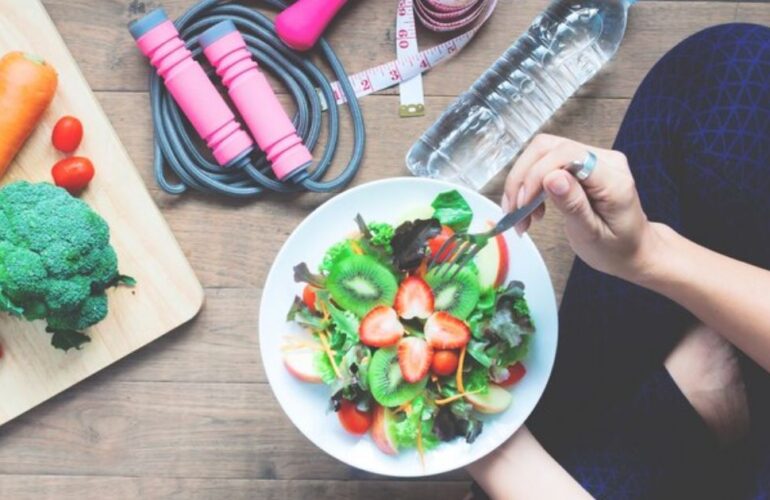
1. Eat Plenty of Fruits and Vegetables
Fresh fruits and vegetables are rich in antioxidants that help protect eggs and sperm from oxidative stress.
Good options include:
- Berries
- Oranges
- Apples
- Kiwi
- Spinach
- Kale
- Broccoli
- Bell peppers
- Carrots
Aim for at least five servings daily.
2. Choose High-Quality Protein
Protein supports hormone production and tissue repair.
Excellent sources include:
- Eggs
- Fish
- Chicken
- Turkey
- Lentils
- Chickpeas
- Beans
- Tofu
- Greek yogurt
Avoid excessive processed meats, which may negatively affect fertility.
3. Include Healthy Fats
Healthy fats help regulate reproductive hormones.
Choose:
- Avocados
- Olive oil
- Walnuts
- Almonds
- Flaxseeds
- Chia seeds
- Pumpkin seeds
Omega-3 fatty acids are especially beneficial for reproductive health.
4. Eat Whole Grains
Replace refined carbohydrates with whole grains.
Examples include:
- Brown rice
- Oats
- Whole wheat bread
- Quinoa
- Barley
These foods help maintain stable blood sugar levels.
5. Stay Hydrated
Hydration supports circulation, hormone transport, and overall health.
Drink approximately:
- 2–3 liters of water daily
Increase fluid intake if exercising or living in hot climates.
Essential Vitamins and Nutrients
Folic Acid
Folic acid is recommended before conception because it supports fetal neural tube development.
Most fertility specialists recommend:
- 400–800 mcg daily
Take supplements only as advised by your healthcare provider.
Vitamin D
Vitamin D plays a role in reproductive health and immune function.
Low levels are common and may require supplementation after testing.
Sources include:
- Sunlight
- Fortified milk
- Egg yolks
- Fatty fish
Iron
Iron supports oxygen transport and healthy blood production.
Sources include:
- Lean meat
- Beans
- Spinach
- Lentils
Pair plant-based iron with vitamin C-rich foods for better absorption.
Calcium
Calcium supports bone health and overall wellness.
Sources include:
- Dairy products
- Fortified plant milk
- Sesame seeds
- Tofu
Zinc
Zinc contributes to reproductive health in both men and women.
Good sources:
- Pumpkin seeds
- Seafood
- Eggs
- Nuts
- Whole grains
Foods to Limit Before IVF
Certain foods may negatively affect fertility when consumed in excess.
Reduce intake of:
- Sugary beverages
- Deep-fried foods
- Processed snacks
- Refined sugar
- Excess salt
- Fast food
- Artificial trans fats
Moderation is key rather than complete restriction.
Caffeine Intake
Moderate caffeine consumption is generally considered acceptable.
Many fertility specialists advise limiting intake to around:
- 1–2 small cups of coffee daily
Remember that caffeine is also present in tea, chocolate, soft drinks, and energy drinks.
Alcohol and Smoking
Both alcohol and tobacco use have been associated with reduced fertility.
Smoking may:
- Lower egg quality
- Reduce sperm quality
- Affect embryo development
- Increase miscarriage risk
Alcohol may interfere with reproductive health and treatment outcomes.
Many specialists recommend avoiding both while trying to conceive and during IVF.
Maintaining a Healthy Weight
Body weight can influence reproductive hormones and IVF outcomes.
Being significantly underweight or overweight may affect:
- Ovulation
- Hormonal balance
- Medication response
Rather than pursuing crash diets, focus on sustainable habits involving balanced nutrition and regular physical activity.
Exercise Before IVF
Exercise improves circulation, reduces stress, and supports overall health.
Recommended activities include:
- Walking
- Swimming
- Cycling at a moderate pace
- Yoga
- Pilates
- Stretching
Aim for around 150 minutes of moderate exercise per week unless advised otherwise by your healthcare provider.
Avoid beginning intense new exercise programs immediately before or during IVF without medical guidance.
Sleep and Fertility
Sleep is often overlooked but plays an important role in hormone regulation.
Tips for better sleep:
- Sleep 7–9 hours nightly
- Keep a regular bedtime
- Reduce screen exposure before bed
- Limit caffeine later in the day
- Create a calm sleeping environment
Stress Management During IVF Preparation
IVF can be emotionally demanding.
Although stress alone does not cause infertility, managing emotional well-being can improve your overall experience.
Helpful strategies include:
- Meditation
- Deep breathing exercises
- Journaling
- Counseling
- Reading
- Listening to calming music
- Spending time outdoors
Seeking support from loved ones or support groups may also be beneficial.
Medical Tests Before IVF
Your fertility specialist may recommend several evaluations before treatment.
These may include:
Blood Tests
Blood tests help assess hormone levels, thyroid function, ovarian reserve, and general health.
Ultrasound
Ultrasound helps evaluate:
- Ovarian follicles
- Uterine lining
- Fibroids
- Polyps
Infectious Disease Screening
Screening may include tests for infections that could affect pregnancy or treatment.
Semen Analysis
Male fertility evaluation typically includes semen analysis to assess:
- Sperm count
- Motility
- Morphology
Genetic Screening
In some cases, genetic carrier screening may be recommended based on family history or clinical indications.
Review Current Medications
Inform your fertility specialist about:
- Prescription medicines
- Over-the-counter medications
- Herbal supplements
- Vitamins
Do not discontinue prescribed medications without consulting your healthcare provider.
Managing Medical Conditions
Conditions such as:
- Diabetes
- Thyroid disorders
- Hypertension
- Autoimmune diseases
should be well controlled before IVF begins.
Good overall health supports safer pregnancy and treatment.
Preparing Emotionally
The IVF journey often involves uncertainty.
Helpful emotional preparation includes:
- Setting realistic expectations
- Learning about each treatment step
- Discussing concerns openly with your partner
- Building a support network
- Celebrating small milestones
Remember that every IVF journey is unique.
Partner’s Role in IVF Preparation
IVF preparation is a shared responsibility.
Male partners can improve reproductive health by:
- Eating nutritious foods
- Exercising regularly
- Maintaining a healthy weight
- Avoiding smoking
- Limiting alcohol
- Managing stress
- Getting adequate sleep
Healthy sperm development also benefits from consistent healthy habits over several months.
Organizing for Treatment
Practical planning can make IVF less stressful.
Consider:
- Scheduling appointments in advance
- Arranging transportation if needed
- Planning work leave for procedures
- Keeping medications organized
- Tracking appointments and instructions
Preparation reduces unnecessary last-minute stress.
Questions to Ask Your Fertility Specialist
Before beginning IVF, consider asking:
- What is the cause of infertility?
- What tests are recommended?
- What medications will I need?
- What side effects should I expect?
- What lifestyle changes are advised?
- What are the clinic’s success rates for my age group?
- Are additional treatments recommended?
- What should I do before embryo transfer?
Being informed helps you participate actively in your care.
Common Myths About IVF Preparation
Myth 1: Bed Rest Improves IVF Success
Routine prolonged bed rest is generally not recommended unless specifically advised by your doctor.
Myth 2: Eating One “Superfood” Guarantees Pregnancy
No single food can ensure IVF success. A balanced dietary pattern is more important than any individual food.
Myth 3: Exercise Should Be Completely Avoided
Moderate physical activity is generally encouraged before treatment. Your fertility team will advise if activity should be modified during specific stages.
Myth 4: Stress Alone Causes IVF Failure
Stress management is valuable for emotional well-being, but IVF outcomes depend on many medical and biological factors.
IVF Preparation Checklist
✔ Schedule fertility consultations.
✔ Complete recommended medical tests.
✔ Begin prenatal vitamins if advised.
✔ Eat a balanced, nutrient-rich diet.
✔ Drink enough water daily.
✔ Exercise regularly.
✔ Maintain a healthy weight.
✔ Stop smoking.
✔ Avoid alcohol if recommended.
✔ Get adequate sleep.
✔ Manage stress.
✔ Review medications with your healthcare provider.
✔ Stay informed about the IVF process.
✔ Build a support system.
Final Thoughts
Preparing for IVF involves far more than simply starting fertility medications. It is an opportunity to strengthen your overall health, improve nutritional habits, establish healthy lifestyle routines, and prepare emotionally for the journey ahead. While no diet, supplement, or lifestyle change can guarantee pregnancy, these evidence-informed steps can help optimize your body for treatment and support your well-being throughout the process.
Work closely with your fertility specialist to create a personalized plan based on your medical history, age, and fertility diagnosis. Small, consistent changes—such as eating a balanced diet, staying active, getting enough sleep, and managing stress—can make a meaningful difference in how you experience IVF.
Every fertility journey is unique. Whether IVF is your first treatment or part of a longer path to parenthood, approaching it with preparation, patience, and informed guidance can help you move forward with confidence and hope.