
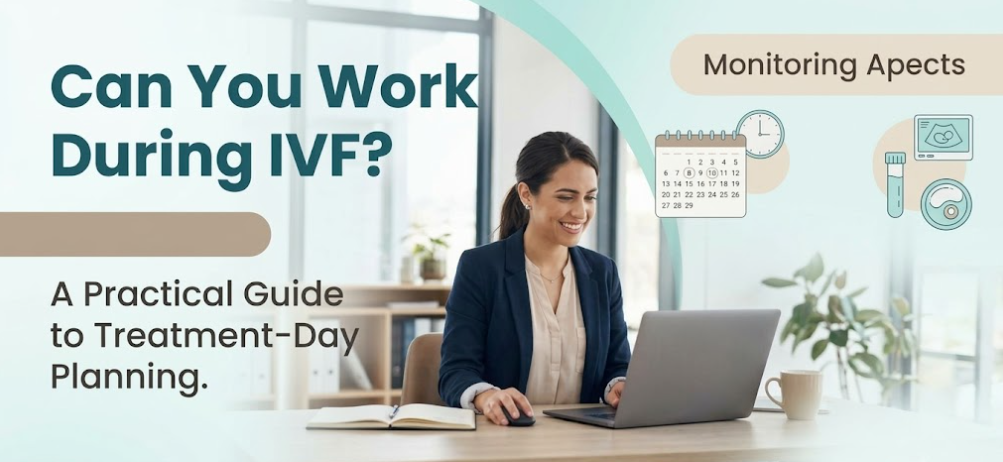
Working During IVF: Days Off, Schedules & Recovery Tips
Embarking on an in vitro fertilization (IVF) cycle can raise a lot of practical questions. In addition to medical questions, another one of the most common is: Can you work during IVF?
For many, the answer is: yes. Many people can work full time while undergoing IVF treatment without career impact. But IVF isn’t a one-size-fits-all process. Factors such as your treatment program, commute time, physical symptoms, and job duties will all affect your level of flexibility.
Each treatment plan will be different, so your fertility clinician is your best guide on exercise, recuperation, and daily adjustments. You can work out realistic schedules with Little Angel IVF and avoid needless stress by understanding what each stage of treatment entails.
Navigating Each Treatment Stage Around Work
1. Ovarian Stimulation and the IVF Clinic Monitoring Schedule
In the stimulation phase, which lasts 8-14 days, you are prescribed medications to stimulate the growth of several eggs in your ovaries. Your clinic keeps monitoring progress through regular visits during this time period, called monitoring appointments.
Your IVF clinic monitoring schedule usually involves:
- Transvaginal ultrasounds to measure follicle growth.
- Routine blood draws to check hormone levels.
These appointments are frequent (often every 1 to 3 days toward the end of the phase) and usually occur early in the morning so the lab can process results that afternoon. While each appointment is relatively brief, clinic wait times and your daily commute can affect your morning schedule.
Workplace tip: Ask your clinic about their earliest appointment slots. If you commute to an office, explore whether you can shift your start time by an hour or complete morning tasks remotely.
2. Egg Retrieval Day and Recovery
Egg retrieval is a minor surgical procedure carried out under light sedation or anesthesia. Because of this, it is standard practice to arrange time off work for IVF egg retrieval day.
Key factors to plan for include:
- The procedure day: You will need a full day away from your job, along with a responsible adult to accompany you home safely after sedation.
- Egg retrieval recovery time off work: Mild cramping, fatigue, and pelvic fullness are common post-procedure. Many patients feel ready to return to desk work after 24 to 48 hours. However, individuals with strenuous or physically demanding roles—or those at risk of higher ovarian response—may need extra rest based on clinical guidance.
3. Embryo Transfer and Returning to Daily Life
The embryo transfer is a gentle, relatively brief procedure that usually requires no sedation and feels similar to a routine cervical screening or Pap smear.
- Bed rest after embryo transfer: In past decades, prolonged bed rest was occasionally recommended, but current evidence shows that strict bed rest does not improve cycle outcomes. Fertility clinicians generally encourage resuming normal, gentle daily movements, though high-impact activities or heavy lifting are usually restricted. Always follow your specific clinic’s post-procedure instructions.
- Going back to work after embryo transfer: Many patients take the day of the transfer off for peace of mind and convenience, then return to work the following day. If your work involves desk tasks or light activity, returning quickly is generally appropriate if your doctor agrees.
Managing IVF Side Effects at Work
- Bloating and abdominal discomfort: Wearing loose, non-restrictive clothing can prevent abdominal pressure as ovaries enlarge during stimulation.
- Fatigue: Gentle movement, staying well hydrated, and taking short screen breaks help sustain steady energy.
- Mood shifts and appointment stress: IVF involves hormonal fluctuations and tight timelines. Factoring in short mental pauses between meetings can make days feel more manageable.
- Physical work adjustments: If your role involves heavy lifting, strenuous exertion, or long shifts on your feet, discuss these duties with your fertility team so they can advise on safe modifications.
How Many Days Off Work for IVF?
Patients frequently ask: how many days off work for IVF are necessary? There is no single universal number. Total time away depends on whether your job is remote, desk-based, or physically strenuous, as well as your personal response to treatment.
Here is a practical framework to help plan your time away:
| IVF Stage | Typical Time Away from Work | Key Planning Considerations |
| Ovarian Stimulation | 0 full days (occasional 1–2 hr morning delays) | Schedule early morning appointments; allow for commute and traffic. |
| Egg Retrieval | 1 full day (mandatory) | Requires sedation and a companion to accompany you home. |
| Post-Retrieval Recovery | 0 to 2 days | Varies by job demands, physical symptoms, and doctor’s advice. |
| Embryo Transfer | Half-day to 1 full day | Non-invasive; most people resume desk work the next day. |
| Two-Week Wait | 0 days | Light, routine activities permitted; avoid heavy, strenuous exertion. |
Building flexibility into your calendar gives you room to adapt if your retrieval date shifts by a day or two based on how your follicles mature.
Workplace Communication and Leave Options
Deciding on telling your employer about IVF is an entirely personal choice. You are never obligated to disclose medical details unless you feel comfortable doing so.
- Share only what is necessary: You can request time off for “a scheduled medical procedure” or a series of “minor medical appointments” without revealing the specifics of fertility care.
- Check workplace flexibility: If your employer offers remote work options, flexible hours, or adjustable shifts, exploring these can make attending morning monitoring visits seamless.
- Fertility treatment medical leave: Review your organization’s leave policies. Some employers provide specialized family-building benefits or allow accrued sick leave to be used for treatment-related visits and procedures.
- FMLA for IVF: In jurisdictions where the Family and Medical Leave Act (FMLA) or similar statutory medical leaves apply, eligibility depends heavily on employer size, hours worked, and local legal frameworks. Because leave regulations and company policies vary widely, consult your human resources department or relevant labor guidelines to confirm what protections apply to your situation.

Plan Your Treatment Journey with Confidence
Balancing career commitments with fertility treatment is entirely achievable with clear communication and a supportive medical team. At Dr. Mona Dahiya’s clinic, we provide transparent treatment timelines and individualized care plans designed to help you balance your appointments, procedures, and daily work life comfortably.
Ready to discuss your treatment schedule? Contact Dr. Mona Dahiya’s clinic today to schedule a personalized consultation.
Frequently Asked Questions
Can you work during IVF?
Yes, most people can continue working during an IVF cycle. Desk and remote jobs are generally easiest to balance, while roles requiring heavy physical exertion may require temporary modifications advised by your clinician.
How many days off work do you need for IVF?
On average, many patients take between 1 and 3 full days off across an entire cycle—primarily covering the day of egg retrieval, potential next-day recovery, and the embryo transfer.
Do I need time off for IVF monitoring appointments?
Generally, you do not need full days off for monitoring. Because blood tests and ultrasounds often happen early in the morning, most patients simply adjust their arrival time or make up missed hours later.
Should I take the day off for egg retrieval?
Yes. Egg retrieval involves sedation or anesthesia, so taking the entire day off work is essential for safety, rest, and recovery.
How long is egg retrieval recovery time?
Most people recover sufficiently within 24 to 48 hours for standard office or desk work. If your job involves heavy lifting or high physical exertion, your doctor may suggest additional rest days.
Can I go back to work after embryo transfer?
Yes. Many individuals return to regular, non-strenuous work the next day. If your transfer occurs in the morning and your job is low-stress and desk-based, some clinicians permit working that afternoon, though many patients prefer to rest.
Is bed rest needed after embryo transfer?
No medical evidence shows that strict bed rest after embryo transfer improves success rates. Most fertility specialists recommend light, normal daily routines while avoiding vigorous exercise and heavy lifting.
Should I tell my employer I’m having IVF?
Telling your manager or HR team is entirely optional. If you need scheduling flexibility, you can frame requests around general medical appointments without sharing personal fertility details.
Can IVF medications affect me at work?
Yes, hormonal medications can cause mild fatigue, bloating, mood swings, or headaches. Staying hydrated, dressing in comfortable layers, and taking short breaks can help minimize disruptions during your workday.
Is fertility treatment covered by medical leave or FMLA?
Coverage varies based on your jurisdiction, company policy, and whether medical leave criteria are satisfied. Speak with your human resources team or consult local employment guidelines to understand your specific benefits.