

For millions of couples around the world, infertility can be an emotional and challenging journey. Fortunately, advances in reproductive medicine have made it possible for many people to achieve their dream of parenthood through In Vitro Fertilization (IVF). Over the past few decades, IVF has become one of the most successful and widely used fertility treatments, helping families overcome a variety of reproductive challenges.
One of the most common questions fertility specialists hear is, “Does age affect IVF success?” The answer is yes. Age plays a significant role in determining the chances of pregnancy because it directly influences egg quality and ovarian reserve. However, age is not the only factor. Modern fertility treatments, advanced laboratory techniques, healthy lifestyle choices, and individualized treatment plans have greatly improved IVF outcomes across different age groups.
Understanding how age impacts fertility and IVF success is important for anyone considering fertility treatment. Whether you are in your late twenties, early thirties, or over forty, knowing what to expect can help you make informed decisions and prepare for the journey ahead.
This comprehensive guide explains IVF success rates by age, the science behind fertility decline, factors that affect treatment outcomes, and practical steps that may improve your chances of achieving a healthy pregnancy.
What Is IVF?
In Vitro Fertilization (IVF) is a type of Assisted Reproductive Technology (ART) in which fertilization takes place outside the human body. During the procedure, mature eggs are collected from a woman’s ovaries and combined with sperm in a specialized laboratory. Once fertilization occurs, the resulting embryos are monitored for several days before one or more healthy embryos are transferred into the uterus.
The IVF process typically includes several important stages:
- Ovarian stimulation using fertility medications
- Monitoring follicle growth through blood tests and ultrasound
- Egg retrieval procedure
- Fertilization of eggs with sperm
- Embryo culture and development
- Embryo transfer into the uterus
- Pregnancy testing approximately two weeks later
Each stage requires careful monitoring to maximize the chances of a successful pregnancy.
Who May Benefit from IVF?
IVF is recommended for a wide range of fertility conditions. While many people associate IVF only with female infertility, the treatment is equally valuable in cases involving male fertility problems or unexplained infertility.
Some common reasons for IVF include:
- Blocked or damaged fallopian tubes
- Ovulation disorders
- Endometriosis
- Polycystic Ovary Syndrome (PCOS)
- Low sperm count or poor sperm motility
- Unexplained infertility
- Premature ovarian insufficiency
- Previous failed fertility treatments
- Genetic disorders requiring embryo screening
- Fertility preservation before cancer treatment
Every fertility journey is unique, which is why treatment plans are personalized according to each individual’s medical history and reproductive goals.
Why Does Age Matter in Fertility?
Age is considered one of the strongest predictors of natural fertility as well as IVF success. Unlike men, who continue producing sperm throughout life, women are born with all the eggs they will ever have.
At birth, a female has approximately one to two million eggs. By puberty, this number decreases to around 300,000 to 400,000. Throughout the reproductive years, thousands of eggs naturally disappear each month, leaving fewer eggs available as a woman gets older.
More importantly, it is not only the number of eggs that decreases. Their quality also changes over time.
Healthy eggs contain the correct number of chromosomes, allowing embryos to develop normally. As women age, eggs become more likely to develop chromosomal abnormalities, reducing fertility and increasing the chances of miscarriage.
This biological process cannot be completely prevented, even with modern medical treatments.
Understanding Egg Quality
When discussing fertility, many people focus on the number of eggs available. While ovarian reserve is important, fertility specialists often emphasize that egg quality matters even more than egg quantity.
High-quality eggs are more likely to:
- Fertilize successfully
- Develop into healthy embryos
- Implant inside the uterus
- Result in healthy pregnancies
- Reduce miscarriage risk
Lower-quality eggs may:
- Fail to fertilize
- Stop developing after fertilization
- Produce embryos with chromosomal abnormalities
- Lead to unsuccessful implantation
- Increase pregnancy complications
This is the primary reason IVF success gradually declines with age.
How Age Affects IVF Success Rates
Although IVF has helped countless families, treatment outcomes vary according to several factors. Among these, age remains one of the most reliable indicators of success.
In general:
- Younger women usually produce more eggs during IVF stimulation.
- Younger eggs have better chromosomal health.
- Embryos created from younger eggs tend to implant more successfully.
- Pregnancy complications are generally lower among younger patients.
As age increases:
- Ovarian reserve declines.
- Egg quality decreases.
- Embryo quality may be affected.
- Implantation becomes less successful.
- Miscarriage risk increases.
However, these are overall trends rather than guarantees. Many women in their late thirties and early forties achieve successful pregnancies through IVF, while some younger women may face fertility challenges due to underlying medical conditions.
IVF Success Rates Under Age 30
Women younger than 30 generally experience the highest IVF success rates because their eggs are typically healthier and their ovarian reserve is greater.
Characteristics of this age group include:
- Strong ovarian response to fertility medications
- High-quality eggs
- Better embryo development
- Higher implantation rates
- Lower miscarriage rates
Many women under 30 produce several healthy embryos during a single IVF cycle, increasing the likelihood of pregnancy.
Average outcomes often include:
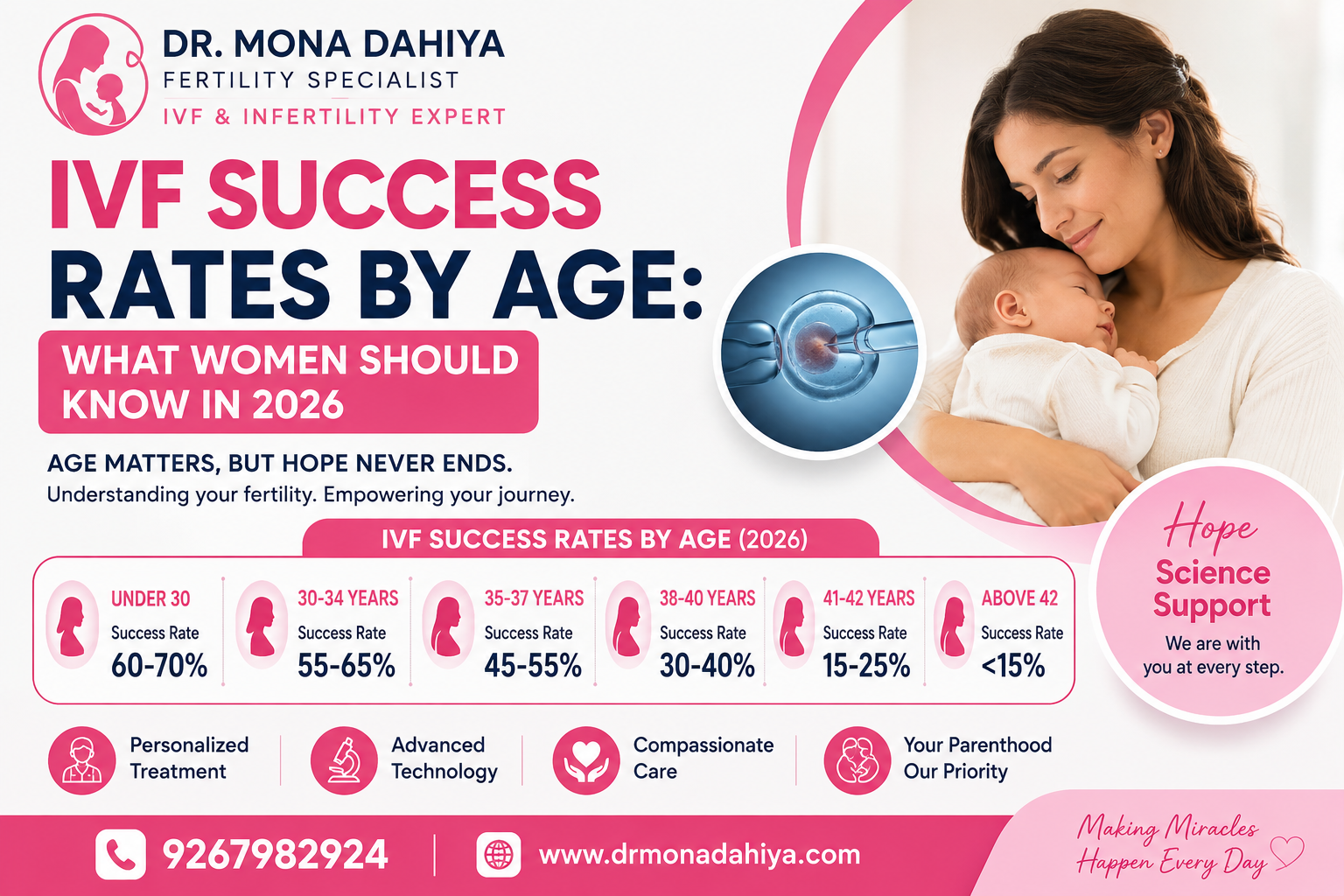
- Pregnancy rates between 60% and 70%
- Live birth rates between 50% and 60%
These numbers vary depending on individual health, fertility diagnosis, and clinic experience, but this age group consistently experiences the best overall IVF outcomes.
IVF Success Rates Between Ages 30 and 34
The early thirties continue to represent an excellent period for fertility treatment.
Although natural fertility begins to decline slowly after age 30, most women in this age group still have:
- Good egg quality
- Healthy ovarian reserve
- Excellent embryo development
- Strong implantation potential
Many couples achieve pregnancy within one or two IVF cycles during these years.
Typical success rates include:
- Pregnancy rates around 55% to 65%
- Live birth rates around 45% to 55%
While age-related changes begin gradually, they usually have only a modest impact during this period.
IVF Success Rates Between Ages 35 and 37
For many women, the age of 35 marks an important milestone in fertility. While it does not mean pregnancy becomes impossible, fertility specialists recognize this period as the point where natural fertility begins to decline more noticeably. The number of available eggs continues to decrease, and the proportion of eggs with normal chromosomes gradually becomes lower.
Despite these biological changes, women between the ages of 35 and 37 still have a good chance of achieving pregnancy through IVF. Many patients in this age group respond well to ovarian stimulation and produce healthy embryos that lead to successful pregnancies.
Typical IVF outcomes in this age group include:
- Pregnancy rates of approximately 45% to 55%
- Live birth rates of around 35% to 45%
Individual results can vary depending on several factors, including overall health, ovarian reserve, sperm quality, and the underlying cause of infertility.
Women in this age range are often encouraged to seek fertility evaluation earlier if they have been trying to conceive for six months or longer without success. Early assessment allows fertility specialists to recommend the most appropriate treatment before fertility declines further.
IVF Success Rates Between Ages 38 and 40
The late thirties are a time when fertility changes become more significant. Both egg quantity and egg quality continue to decline, making conception naturally and through IVF more challenging.
Women in this age group may experience:
- Lower ovarian reserve
- Reduced response to fertility medications
- Fewer eggs retrieved during IVF
- Lower fertilization rates
- Reduced embryo quality
- Higher miscarriage rates
Even so, IVF continues to offer hope for many women in their late thirties. Advances in laboratory technology, embryo culture systems, and individualized treatment protocols have improved outcomes considerably compared with previous decades.
Average success rates generally include:
- Pregnancy rates between 30% and 40%
- Live birth rates between 25% and 35%
Some women may require more than one IVF cycle before achieving pregnancy, which is completely normal. Fertility specialists often evaluate each cycle carefully and adjust medications or treatment strategies to improve future outcomes.
IVF Success Rates Between Ages 41 and 42
After the age of 40, fertility declines more rapidly. This is primarily because a larger proportion of remaining eggs develop chromosomal abnormalities, making healthy embryo development less likely.
Women between 41 and 42 may experience:
- Lower ovarian reserve
- Fewer mature eggs collected
- Reduced fertilization rates
- Lower implantation success
- Increased miscarriage risk
Typical IVF outcomes include:
- Pregnancy rates of approximately 15% to 25%
- Live birth rates of around 10% to 20%
Although these numbers are lower than those seen in younger women, successful pregnancies are still possible. Many fertility specialists recommend individualized treatment plans that may include advanced embryo assessment techniques or multiple IVF cycles depending on each patient’s fertility profile.
The most important message is that age alone should never discourage someone from seeking professional fertility advice. Every patient is different, and many factors influence treatment success.
IVF Success Rates Above Age 42
Women over the age of 42 often face the greatest reproductive challenges because egg quality declines significantly during this stage of life.
Common challenges include:
- Very low ovarian reserve
- Increased chromosomal abnormalities
- Reduced embryo implantation
- Higher miscarriage rates
Average success rates using a woman’s own eggs are generally below 10–15%, with live birth rates often lower than 10%.
However, these statistics should not be viewed as absolute limitations. Some women achieve pregnancy using their own eggs, while others choose donor eggs, which can substantially improve pregnancy outcomes because the donor eggs typically come from younger women with healthier ovarian function.
Fertility treatment decisions should always be personalized based on medical history, reproductive goals, and professional guidance.
Understanding Ovarian Reserve
One of the first steps in fertility evaluation is assessing ovarian reserve. This refers to the number of eggs remaining in the ovaries and helps fertility specialists estimate how the ovaries may respond during IVF.
It is important to understand that ovarian reserve measures egg quantity—not necessarily egg quality.
Several tests are commonly used.
Anti-Müllerian Hormone (AMH)
AMH is produced by small follicles within the ovaries. A simple blood test can estimate the remaining egg supply.
Higher AMH levels generally suggest:
- Better ovarian reserve
- Greater response to fertility medications
- More eggs available during IVF
Lower AMH levels may indicate:
- Reduced ovarian reserve
- Fewer eggs likely to be retrieved
However, women with low AMH can still achieve pregnancy, particularly if the remaining eggs are healthy.
Antral Follicle Count (AFC)
Antral Follicle Count is performed using transvaginal ultrasound.
The scan measures the number of small follicles present at the beginning of the menstrual cycle.
A higher follicle count often predicts:
- Better ovarian response
- Greater number of eggs collected
- Improved IVF planning
Follicle Stimulating Hormone (FSH)
FSH is another hormone commonly measured during fertility testing.
Higher FSH levels may indicate that the ovaries require greater stimulation to produce mature eggs, suggesting diminished ovarian reserve.
No single fertility test can predict IVF success on its own. Specialists evaluate all results together to develop the most appropriate treatment strategy.
Male Fertility Also Influences IVF Success
Although much attention is placed on female age, male fertility contributes equally to embryo development.
Healthy sperm are essential for successful fertilization and normal embryo growth.
Several male factors may reduce IVF success:
- Low sperm count
- Poor sperm motility
- Abnormal sperm shape
- DNA fragmentation
- Hormonal disorders
- Varicocele
- Lifestyle factors such as smoking or excessive alcohol consumption
As men age, sperm quality may gradually decline, although these changes are generally less dramatic than those observed in female fertility.
A comprehensive fertility evaluation almost always includes semen analysis to identify potential male reproductive issues before treatment begins.
Medical Conditions That May Affect IVF Outcomes
Age is only one piece of the fertility puzzle. Various medical conditions can also influence IVF success.
These include:
Polycystic Ovary Syndrome (PCOS)
Women with PCOS often produce many eggs but may experience irregular ovulation and hormonal imbalance. With proper treatment, many women with PCOS achieve successful IVF pregnancies.
Endometriosis
Endometriosis can reduce egg quality, alter pelvic anatomy, and interfere with embryo implantation.
Uterine Fibroids
Certain fibroids may distort the uterine cavity and reduce implantation rates, making treatment before IVF beneficial in some cases.
Thyroid Disorders
Both hypothyroidism and hyperthyroidism can interfere with fertility and early pregnancy if left untreated.
Diabetes and Autoimmune Disorders
Well-controlled chronic medical conditions contribute to healthier pregnancies and improved IVF outcomes.
Proper diagnosis and management before beginning IVF can significantly improve the likelihood of treatment success.
Lifestyle Factors That Can Improve IVF Success
Although age is one of the most important factors influencing IVF outcomes, it is not the only one. Many aspects of daily life can affect reproductive health, hormone balance, egg and sperm quality, and the body’s ability to support a healthy pregnancy. While no lifestyle change can guarantee IVF success, adopting healthier habits before and during treatment can create a more supportive environment for conception.
Maintain a Healthy Body Weight
Body weight plays a significant role in fertility for both women and men. Being underweight or overweight can disrupt hormone production, interfere with ovulation, and reduce the effectiveness of fertility medications.
For women, excess body fat may contribute to hormonal imbalances, while being underweight can affect menstrual cycles and egg development. Maintaining a healthy weight may improve ovarian response during IVF and reduce pregnancy-related complications.
For men, obesity has also been linked to reduced sperm quality and hormonal changes that can affect fertility.
If weight management is a concern, gradual lifestyle changes involving balanced nutrition and regular physical activity are generally more sustainable than rapid dieting.
Eat a Nutrient-Rich Diet
Nutrition supports every stage of reproductive health, from egg development to embryo implantation. While there is no specific “IVF diet,” eating a variety of wholesome foods provides the body with essential vitamins, minerals, and antioxidants.
A fertility-friendly diet often includes:
- Fresh fruits and vegetables
- Whole grains
- Lean proteins such as fish, eggs, beans, and poultry
- Healthy fats from nuts, seeds, avocados, and olive oil
- Dairy products or calcium-rich alternatives
- Plenty of water to stay hydrated
Certain nutrients play an especially important role in reproductive health:
Folic Acid
Folic acid is essential before and during early pregnancy because it supports healthy fetal development. Many fertility specialists recommend beginning folic acid supplementation before IVF treatment.
Vitamin D
Low vitamin D levels have been associated with reduced fertility in some studies. Maintaining adequate vitamin D through safe sun exposure, diet, or supplementation may support overall reproductive health.
Omega-3 Fatty Acids
Omega-3 fats help support hormone production and reduce inflammation within the body.
Iron
Iron deficiency may affect ovulation and overall health. Iron-rich foods include spinach, legumes, lean meat, and fortified cereals.
Rather than focusing on individual “superfoods,” consistency and balance are usually more beneficial.
Stay Physically Active
Regular exercise supports cardiovascular health, improves circulation, reduces stress, and helps maintain a healthy body weight.
Moderate activities such as:
- Walking
- Swimming
- Cycling
- Yoga
- Stretching
can be beneficial before IVF.
However, intense exercise during ovarian stimulation may not be recommended because enlarged ovaries become more sensitive during treatment. Always follow your fertility specialist’s guidance regarding physical activity throughout the IVF cycle.
Prioritize Quality Sleep
Sleep is often overlooked, yet it plays an important role in hormone regulation, immune function, and overall health.
Adults are generally encouraged to sleep between seven and nine hours each night.
Good sleep habits include:
- Going to bed at the same time each evening
- Limiting screen time before sleep
- Keeping the bedroom cool and quiet
- Avoiding caffeine late in the day
Although better sleep alone will not determine IVF success, it contributes to physical and emotional well-being throughout treatment.
Avoid Smoking and Recreational Drugs
Smoking is one of the most well-established lifestyle factors associated with reduced fertility.
Research has shown that smoking may:
- Accelerate egg loss
- Reduce egg quality
- Lower implantation rates
- Increase miscarriage risk
- Affect sperm quality
Recreational drugs can also negatively affect reproductive hormones and embryo development.
Quitting smoking before IVF can improve overall health and may positively influence treatment outcomes.
Limit Alcohol and Excessive Caffeine
Heavy alcohol consumption has been associated with reduced fertility in both women and men.
Similarly, excessive caffeine intake may not be ideal during fertility treatment. Most healthcare providers recommend moderate caffeine consumption rather than complete elimination.
Discuss individual recommendations with your fertility specialist based on your medical history.
Managing Stress During IVF
An IVF journey often brings excitement, hope, uncertainty, and emotional challenges. Waiting for test results, monitoring appointments, and pregnancy outcomes can create understandable stress.
Current scientific evidence suggests that stress alone does not cause infertility. However, managing emotional well-being can make the treatment experience healthier and more manageable.
Helpful strategies include:
- Practicing mindfulness or meditation
- Gentle yoga
- Deep breathing exercises
- Journaling thoughts and feelings
- Talking openly with your partner
- Seeking professional counseling if needed
- Joining fertility support groups
Building a strong emotional support system can make a significant difference during treatment.
Why Following Your Treatment Plan Matters
Every IVF protocol is carefully designed according to an individual’s hormone levels, ovarian reserve, age, and medical history.
Success often depends on following medical instructions closely.
Patients are encouraged to:
- Take medications exactly as prescribed
- Attend all monitoring appointments
- Report any unusual symptoms promptly
- Follow recommendations regarding activity and nutrition
- Ask questions whenever something is unclear
Consistency throughout the treatment process allows fertility specialists to make timely adjustments when necessary.
Advances in IVF in 2026
Modern reproductive medicine continues to evolve rapidly. Improvements in laboratory technology, embryo selection, and personalized treatment approaches have contributed to better outcomes than ever before.
Some of the important developments include:
Personalized Ovarian Stimulation
Rather than using the same medication protocol for every patient, fertility specialists now tailor treatment according to age, ovarian reserve, hormone levels, and previous treatment responses.
This individualized approach may improve egg retrieval outcomes while reducing unwanted side effects.
Improved Embryo Culture Systems
Laboratory conditions have become increasingly sophisticated, allowing embryos to develop in environments that closely resemble the natural reproductive tract.
These improvements support healthier embryo development before transfer.
Time-Lapse Embryo Monitoring
Instead of removing embryos repeatedly for observation, specialized incubators continuously monitor embryo development using imaging technology.
This allows embryologists to evaluate growth patterns while minimizing disturbance.
Genetic Testing of Embryos
In selected cases, preimplantation genetic testing (PGT) may help identify embryos with the correct number of chromosomes before transfer.
This technology may be particularly helpful for:
- Recurrent pregnancy loss
- Repeated IVF failure
- Certain inherited genetic conditions
- Advanced maternal age
Not every patient requires genetic testing, and decisions should always be individualized.
Artificial Intelligence in Embryo Assessment
Artificial intelligence (AI) is increasingly being explored as a tool to assist embryologists in evaluating embryo quality.
Although AI does not replace experienced fertility professionals, it may help improve consistency in embryo selection and treatment planning.
Common Myths About IVF Success
Many misconceptions surround IVF treatment. Understanding the facts can reduce unnecessary anxiety.
Myth 1: IVF Guarantees Pregnancy
Reality: IVF significantly improves the chance of pregnancy for many couples, but no fertility treatment can guarantee success.
Myth 2: Younger Women Always Conceive Easily
Reality: Even young women may experience infertility due to conditions such as endometriosis, blocked fallopian tubes, hormonal disorders, or male factor infertility.
Myth 3: IVF Always Results in Twins
Reality: Modern IVF increasingly favors single embryo transfer when appropriate, reducing the likelihood of multiple pregnancies while maintaining excellent success rates.
Myth 4: Age Doesn’t Matter Because IVF Solves Everything
Reality: IVF can overcome many fertility challenges, but it cannot completely reverse the natural decline in egg quality that occurs with aging.
Myth 5: Bed Rest Improves Implantation
Reality: Most patients can return to normal daily activities shortly after embryo transfer unless advised otherwise by their fertility specialist. Prolonged bed rest has not consistently been shown to improve implantation rates.
When Should You Consult a Fertility Specialist?
Many people assume that infertility is only a concern after years of trying to conceive. However, seeking professional guidance at the right time can make a significant difference, especially because fertility naturally declines with age.
General recommendations include:
- If you are under 35 years old: Consider consulting a fertility specialist if you have been trying to conceive for one year without success.
- If you are 35 years or older: Seek evaluation after six months of unsuccessful attempts.
- If you are over 40 years old: It is often advisable to consult a fertility specialist as soon as you decide to start a family, rather than waiting.
You should also seek medical advice earlier if you have any of the following:
- Irregular or absent menstrual periods
- A history of recurrent miscarriages
- Endometriosis
- Polycystic Ovary Syndrome (PCOS)
- Previous pelvic surgery
- Blocked fallopian tubes
- A known male fertility issue
- Previous chemotherapy or radiation therapy
- A family history of premature menopause
Early evaluation helps identify potential fertility issues and allows timely intervention, which may improve the chances of successful treatment.
Choosing the Right Fertility Clinic
Success in IVF depends on much more than age alone. The experience of the fertility team, the quality of the embryology laboratory, and the availability of personalized treatment plans all contribute to better outcomes.
When selecting a fertility clinic, consider the following factors:
Experienced Fertility Specialists
Choose a clinic with qualified reproductive medicine specialists who have experience managing a wide range of fertility conditions.
Advanced Laboratory Facilities
Embryology laboratories play a central role in IVF success. High-quality equipment and strict laboratory standards help create the best possible environment for embryo development.
Transparent Communication
A good fertility clinic explains treatment options, expected outcomes, potential risks, and costs clearly. Patients should feel comfortable asking questions throughout the treatment process.
Individualized Treatment Plans
Every patient has unique fertility needs. Personalized treatment plans often lead to better outcomes than a one-size-fits-all approach.
Emotional Support
Infertility treatment can be emotionally demanding. Clinics that offer counseling services or support resources can help patients navigate the journey with greater confidence.
Emotional Well-Being During IVF
The IVF journey is not only a physical process but also an emotional one. Many couples experience a wide range of feelings, including hope, excitement, anxiety, disappointment, and uncertainty.
Waiting for test results, undergoing medical procedures, and facing unexpected challenges can be stressful. These emotions are normal and should not be ignored.
Some healthy ways to cope include:
- Talking openly with your partner
- Sharing your feelings with trusted friends or family members
- Joining infertility support groups
- Practicing relaxation techniques such as meditation or deep breathing
- Seeking professional counseling if needed
- Taking breaks from social media if pregnancy-related content becomes overwhelming
Remember that emotional well-being is an important part of the fertility journey. Taking care of your mental health can help you navigate treatment with greater resilience.
Frequently Asked Questions
1. Does IVF guarantee pregnancy?
No. IVF increases the chances of pregnancy for many individuals and couples, but no fertility treatment can guarantee success. Outcomes depend on several factors, including age, egg quality, sperm health, embryo quality, and overall reproductive health.
2. Is 35 considered too old for IVF?
No. Many women aged 35 and older achieve successful pregnancies through IVF. Although fertility gradually declines after 35, advances in reproductive medicine continue to improve outcomes.
3. Can women over 40 become pregnant through IVF?
Yes. Pregnancy after 40 is possible through IVF, although success rates are generally lower than in younger women. A personalized treatment plan can help determine the most appropriate approach.
4. What is the best age for IVF?
From a biological perspective, women under 35 generally experience the highest IVF success rates because egg quality and ovarian reserve are usually better during these years. However, successful pregnancies occur across many age groups.
5. How many IVF cycles are usually needed?
The number of cycles varies from person to person. Some individuals conceive during the first cycle, while others may require multiple attempts. Fertility specialists assess each cycle and may adjust treatment plans based on previous outcomes.
6. Does a low AMH level mean IVF will fail?
No. AMH measures ovarian reserve but does not directly assess egg quality. Many women with low AMH levels have achieved successful pregnancies through IVF.
7. Does male age affect IVF success?
Yes. Although female age has a greater influence on fertility, increasing male age may affect sperm quality, fertilization rates, embryo development, and pregnancy outcomes.
8. Can lifestyle changes improve IVF success?
Healthy habits such as maintaining a balanced diet, exercising regularly, avoiding smoking, limiting alcohol intake, managing stress, and getting enough sleep support overall reproductive health and may contribute to better treatment outcomes.
9. Is bed rest necessary after embryo transfer?
Routine prolonged bed rest is generally not recommended after embryo transfer unless specifically advised by your fertility specialist. Most patients can return to normal daily activities while avoiding strenuous exercise.
10. Should I delay fertility treatment?
Age remains one of the most important factors affecting fertility. If you have concerns about your fertility or have been trying to conceive without success, seeking medical advice sooner rather than later allows more treatment options to be considered.
Key Takeaways
Understanding IVF success rates by age empowers individuals and couples to make informed decisions about their reproductive health. While younger women generally have higher success rates because of better egg quality and ovarian reserve, age is only one part of the fertility picture.
Several additional factors influence IVF outcomes, including:
- Egg and sperm quality
- Overall health
- Underlying medical conditions
- Lifestyle habits
- Embryo quality
- Personalized treatment plans
- Expertise of the fertility team
Modern reproductive medicine continues to evolve, offering improved laboratory technologies, individualized stimulation protocols, advanced embryo assessment techniques, and innovative treatment strategies. These advances provide hope for many people who wish to build their families.
Most importantly, every fertility journey is unique. Statistics provide general guidance, but they cannot predict an individual’s outcome. Many people conceive despite challenging circumstances, while others may require additional time, treatment, or alternative approaches.
Conclusion
Age undoubtedly plays a major role in IVF success, but it should never be viewed as the only determinant of fertility. Advances in assisted reproductive technology have made it possible for countless individuals and couples across different age groups to achieve healthy pregnancies.
Whether you are in your twenties, thirties, or forties, understanding your fertility through appropriate medical evaluation is the first step toward making informed reproductive decisions. Early assessment, personalized treatment, and healthy lifestyle choices can all contribute to better outcomes.
Rather than focusing solely on statistics, it is important to remember that fertility care is highly individualized. Every person brings a unique combination of medical history, reproductive health, and personal goals. Working closely with a qualified fertility specialist can help identify the most suitable treatment plan and provide realistic expectations throughout the journey.
For anyone considering IVF, knowledge is empowering. By understanding how age influences fertility, recognizing the factors that affect treatment success, and seeking timely professional guidance, you can approach your fertility journey with greater confidence, clarity, and hope.